The Book
20 Jan 2026
Publishing a Book in the 2020s
How the digital revolution reshaped academic journals and book publishing alike.
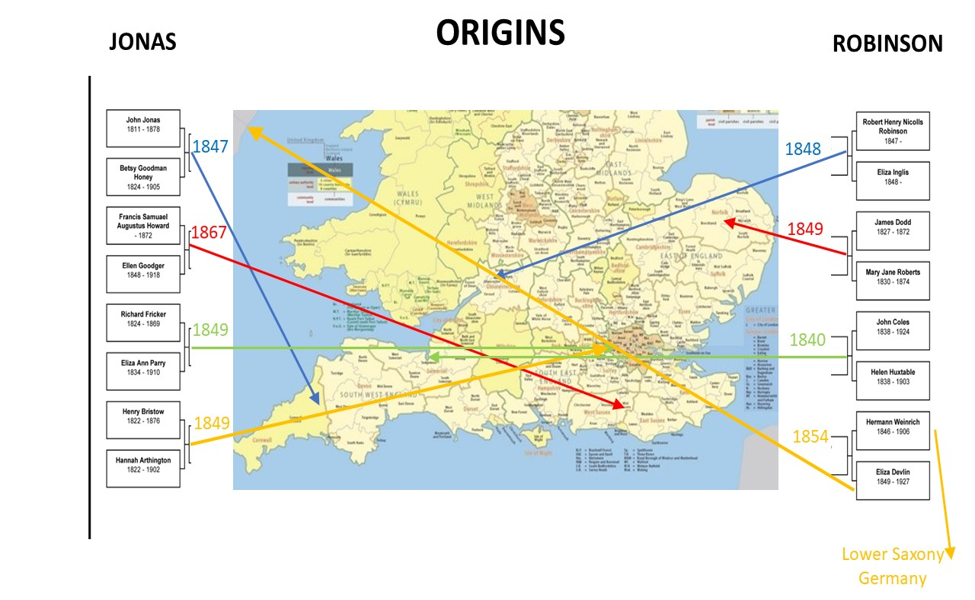
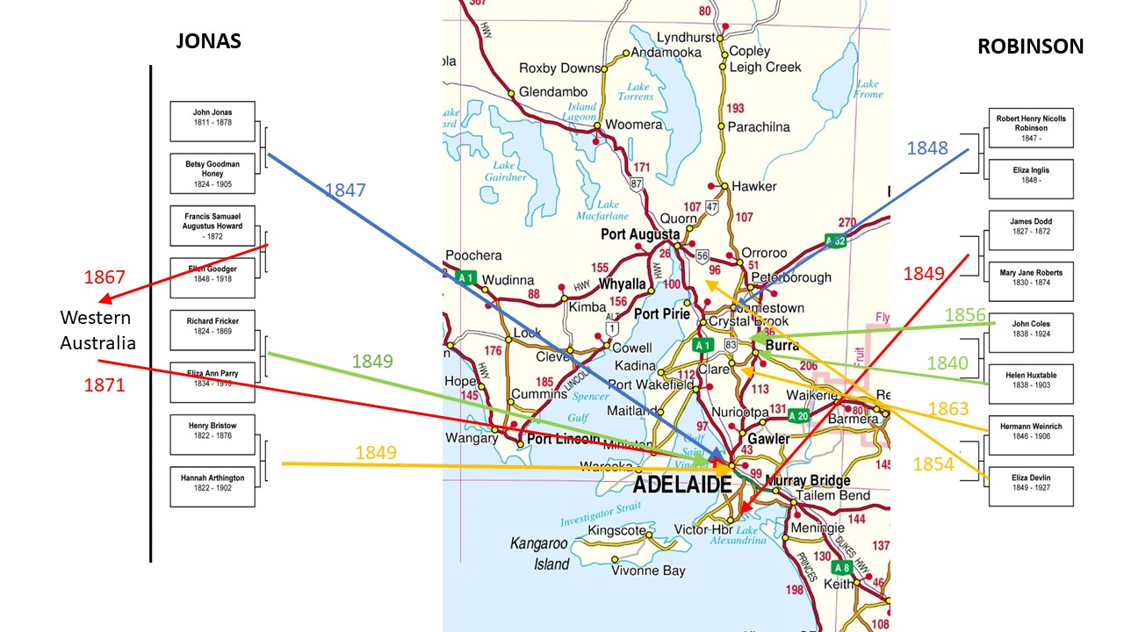
Read moreEight lines of great grandparents, from Cornwall, London, Somerset, Gloucestershire, Norfolk and Lower Saxony to Adelaide.
12 Jan 2026

Essays & Reflections
(Copyright 2026 Richard A Jonas, all rights reserved. No part of this publication may be reproduced without permission, except brief quotations for genealogical or scholarly use.)
The industrial revolution and resulting urbanization and urban crime as well as independence of the American colonies were direct drivers of the transportation of convicts from Great Britain to early Australia. But in addition there were political and agricultural pressures that resulted in waves of immigrants from Europe as well as the United Kingdom of Great Britain and Ireland to South Australia from the earliest days of the new colony in 1836 until the 1860s and 70s. It was during those years that essentially all my forebears, all 8 lines of great grandparents sailed from England and Germany on sailing ships around the Cape of Good Hope and with the aid of the roaring forties to Adelaide South Australia. Let’s begin with my father’s side of the family, the Jonases of Cornwall.
The Jonas name in Cornwall goes back many centuries, particularly in the parishes of Lewannick and South Petherwin close to the border with Devon. On Christmas Eve 1846 at the age of 35, John Jonas, my great great grandfather married Betsy Goodman Honey. The Honey family can be traced back at least 500 years in the region of Launceston close to South Petherwin. On their marriage certificate John is listed as a laborer at Dingley Farm in the small village of Lewannick. The farm remains a working farm to this day. Betsy is listed as a domestic servant, a maid, at another farm in Lewannick, Bovetown Farm, also still a working farm. Tragically just 3 years before her marriage Betsy had lost her father Thomas from heart trouble at the age of 45. Betsy was the eldest of 8 children ranging from one year to 19 years. Her mother Mary was 47 years old and faced the daunting challenge of running the family farm that Thomas and she had owned. The situation was probably even more dire because of the repeated waves of potato blight that were beginning to decimate Ireland but also affected much of England as well. She made the brave and bold decision to sell the family home and together with her 8 children to travel to South Australia. Perhaps the fact that her eldest daughter Betsy was three months pregnant when they boarded the barque Theresa on January 19, 1847 just 3 weeks after their wedding had influenced her decision. Without question having a 35 year old son-in-law must have provided some peace of mind for the challenges that lay ahead in the new colony of South Australia that was only 11 years old.
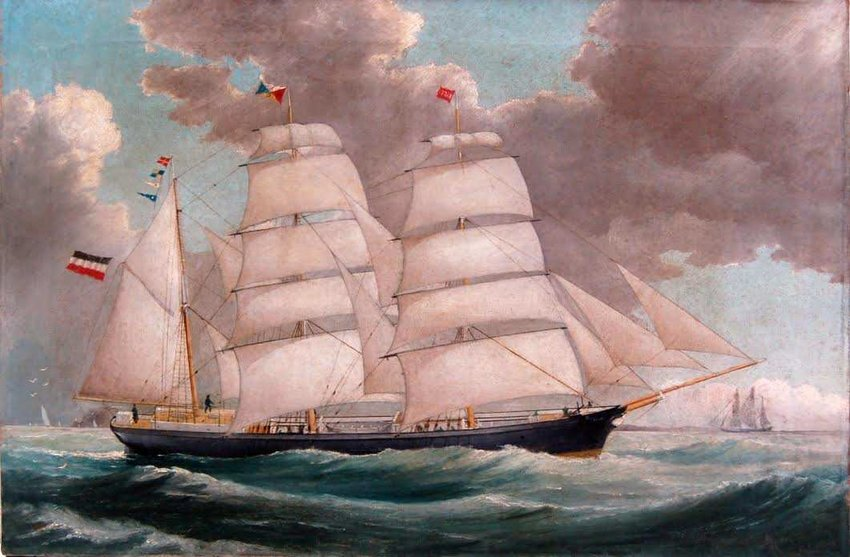
Further tragedy lay ahead for the Honey family. Only 5 years after arrival in Adelaide at age 52, according to her death certificate “while undergoing an operation” matriarch Mary Honey passed away. The young family however were blessed by good fortune when Betsy Jonas’s younger sister Mary married David Bower who was in the process of becoming a wealthy man as the owner of a timber company based in Port Adelaide. David and Mary Bower were a kind and generous couple who lived on a beautiful estate on Woodville Road named St Clair. The name lives on as the surrounding suburb and a large recreational center that was built on the site of the Bower mansion. It was close to St Clair where my first two boyhood homes stood in the town of Woodville.
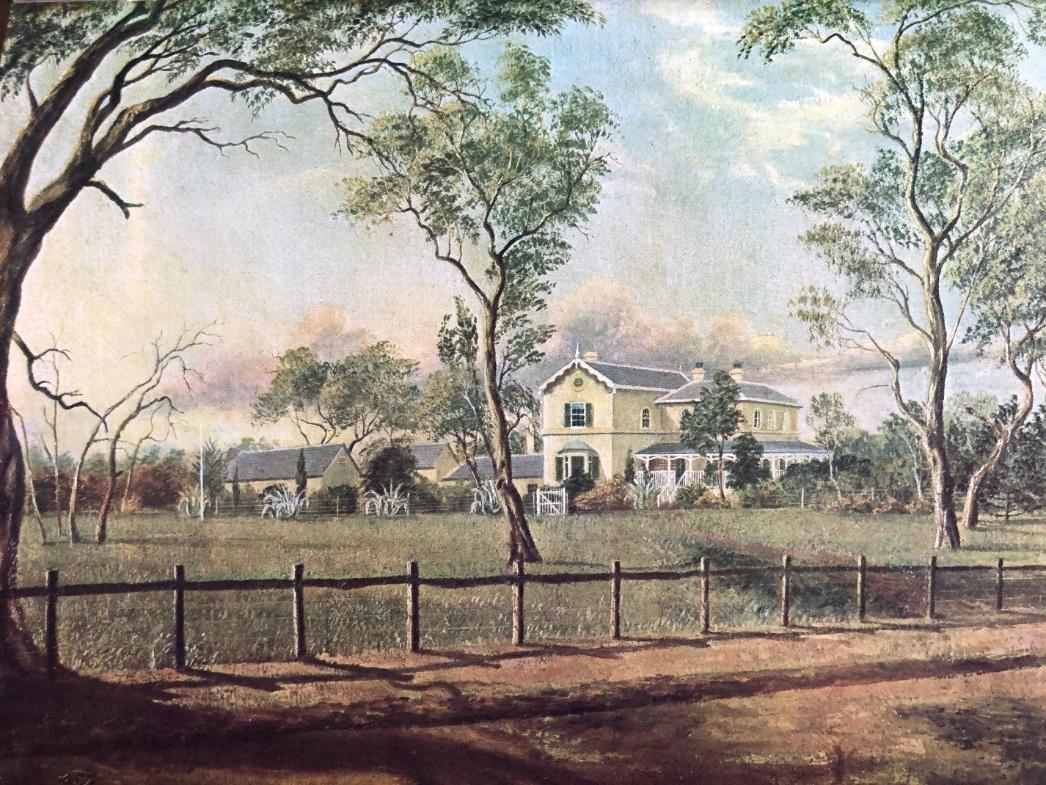
John and Betsy Jonas’s youngest of their eleven children, Richard Frederick Jonas was born in 1866. By this time John had established a successful carting company in Port Adelaide which was a bustling destination in that era receiving international arrivals from Britain and the continent. It also formed the nucleus of the coastal shipping trade to agricultural communities on the long coast of South Australia as well as to the other Australian colonies. Port Adelaide and the shipping trade were to play a key role for the Jonas family.
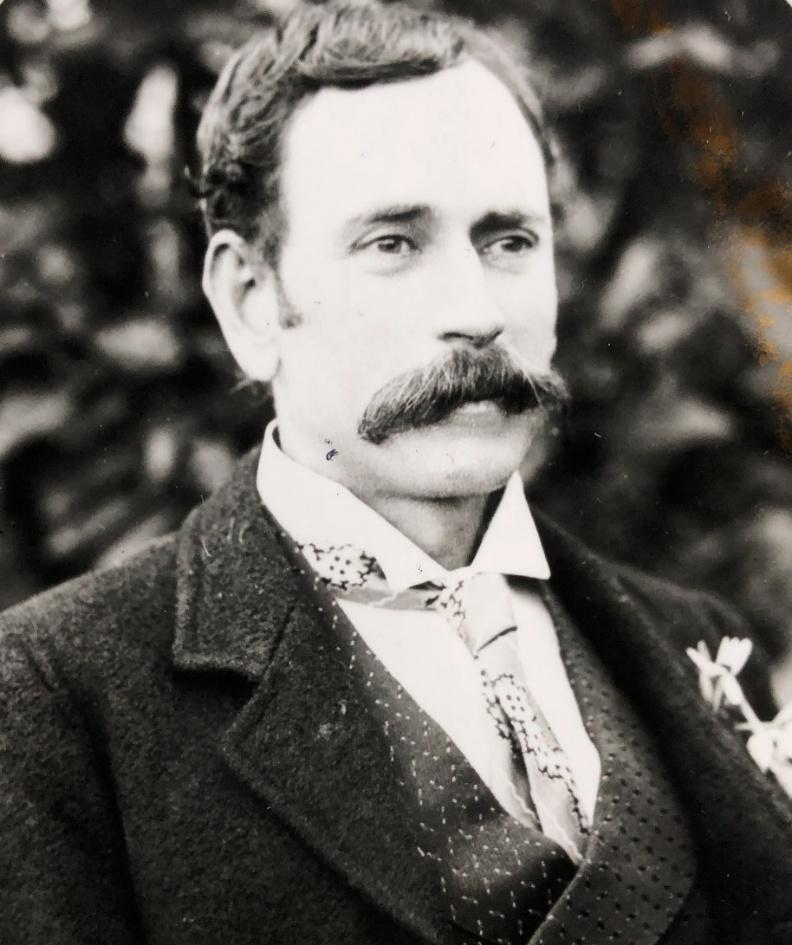
Richard Frederick Jonas became a modestly successful carpenter and builder who enjoyed music and reading history in his leisure time. He married Rose Howard when he was 21. They and their six children lived in a house owned by David Bower in Queenstown between the Bower Estate at Woodville and Port Adelaide. Several of his children had beautiful singing voices and played the violin and piano. One of them became a music teacher. Their fifth child, John William Goodman Jonas, born in 1892 was my grandfather.
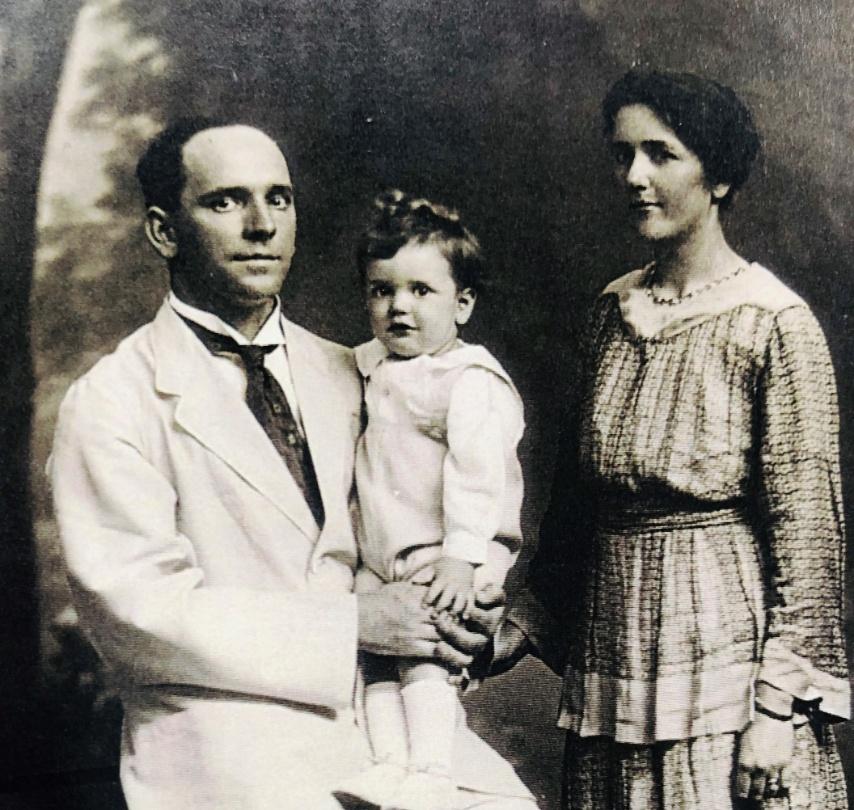
Yet more tragedy: at the age of 23 John William Goodman Jonas had married Marjorie May Fricker, my father’s mother and thus my paternal grandmother. Marjorie died from kidney disease at 32 when my father Lyall Richard was just 3 years old. John was busy as the senior accountant of his father-in-law’s shipping company and was soon to play an important role in local politics on the Port Adelaide council. So my father and his brother Murray were raised by their grandparents Richard and Rose in the Bower home in Queenstown. It must have been a struggle for the elderly couple to manage two young boys. It was not an easy childhood for Lyall and Murray.
Marjorie Fricker, my grandmother who had died at such a young and tender age, was the granddaughter of Richard Fricker of London who had arrived in Port Adelaide in 1849. Two brothers of Richard, John and Thomas, had arrived in Australia a year or two earlier and soon headed to the Victorian goldfields where a huge goldrush was attracting miners from all around the world, enriching the state of Victoria and its capital Melbourne. Richard Fricker worked as a builder in the Port Adelaide area. His offspring spawned a number of highly successful construction companies that later built several of the department stores in early twentieth century Adelaide. But Richard senior’s most successful son and most relevant to my personal story was his namesake Richard Fricker who was born in 1862. In 1901 young Richard founded a Shipping Agency, “R. Fricker and Co” that soon grew to own and manage more than 40 ships.
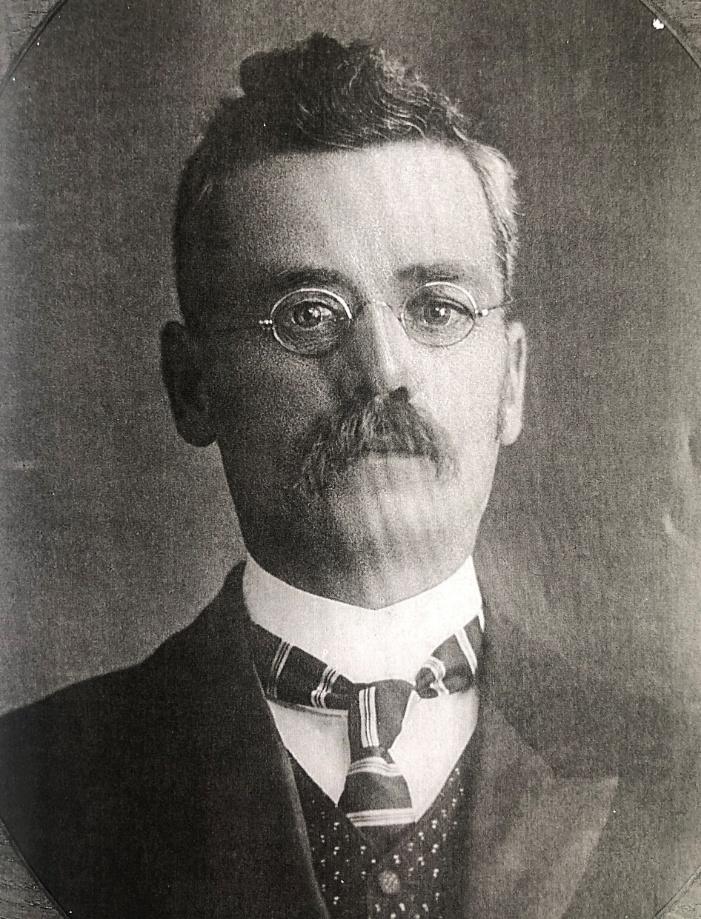
Many of the Fricker ships were two masted sailing ketches with a shallow enough draft that they could load grain and wool from the coastal jetties that dotted the shores of Spencer’s Gulf, the Gulf of St Vincent and the west coast of the state toward Western Australia. But there were also interstate traders that carried cargo to and from Melbourne and Tasmania. Richard was elected Councillor and later Alderman of the Port Adelaide Council and became Warden of the Marine Board. In 1905 he was a delegate to the World’s Baptist Congress in London reflecting the central role the Baptist Church played both in the Fricker family and his soon to be son-in-law’s family, the Jonas’s.
Although many Americans are under the impression that the Baptist Church is a uniquely American institution, particularly in the south-eastern United States, the reality is that the Baptist Church is one of many “non-conforming” Protestant churches that broke away from the Lutheran church established by Luther in the early 1500’s and the Church of England established by Henry VIII a few years later. In the 1600’s many of these “dissenting” groups including the Puritans, Pilgrims and Quakers fled England to the Continent and America to escape persecution. This was also true of the founders of the Baptist Church who moved to Holland after officially seceding from the Church of England in 1662. Two hundred years later in 1862 a small band of 15 early South Australian colonists including Richard Fricker Senior in Port Adelaide founded the Alberton Baptist Church. It is interesting to speculate what led this group to separate themselves from the dominant Church of England including the governor and the military representatives of the Crown. Was it repressive government restrictions on business practices? Young Richard Fricker played an important role as treasurer of the new church. He acquired land and raised funds to build an impressive group of buildings that still stand today. His daughter Marjorie, my grandmother, was the pianist for the choir. And the assistant junior treasurer as recorded in the 1912 Fifty Year Jubilee publication was none other than John William Goodman Jonas who five years later married Marjorie at the home of her father Richard. And as noted, John was soon invited by his father-in-law to join R. Fricker and Co Shipping and later to become co-director with two of Marjorie’s brothers, Frank and Percy. And in time their sons, Lyall Jonas, my father and my uncles Ron and Lawrence Fricker took over the family business.
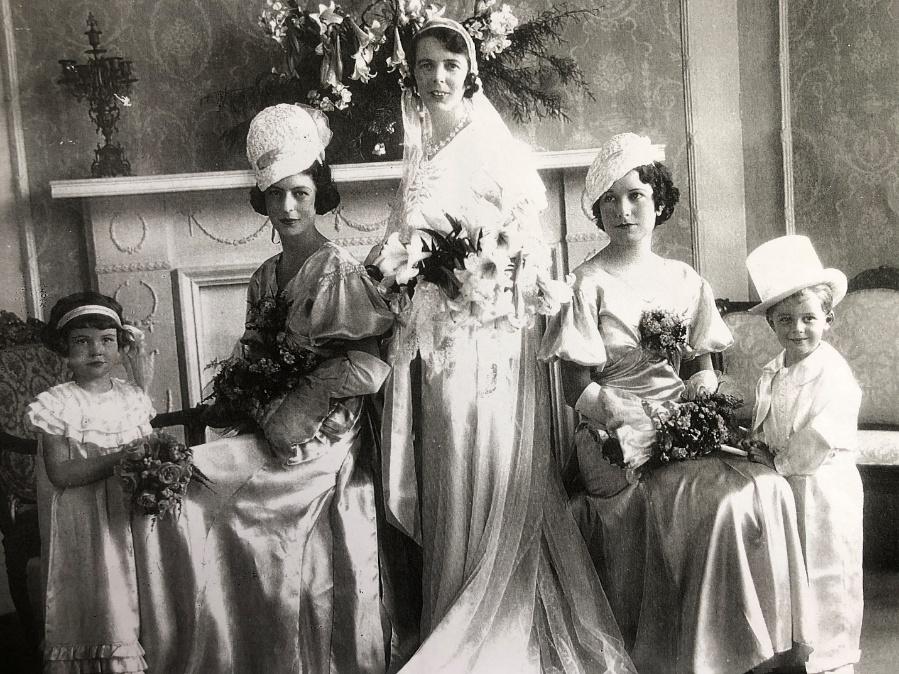
The 1912 Jubilee Booklet of Alberton Baptist Church makes it clear what an all-encompassing role the church played in the lives of the Fricker and Jonas families. The choir, teaching Sunday school to the children, raising and managing the funds, selecting the ministers and playing in and managing the cricket and football teams must have consumed every non-working hour of the families’ weeks. They were a tight knit community. Seven years following Marjorie’s death in 1926, John married Isobel Burton, a member of the Alberton Baptist choir and a professional singing and piano teacher.
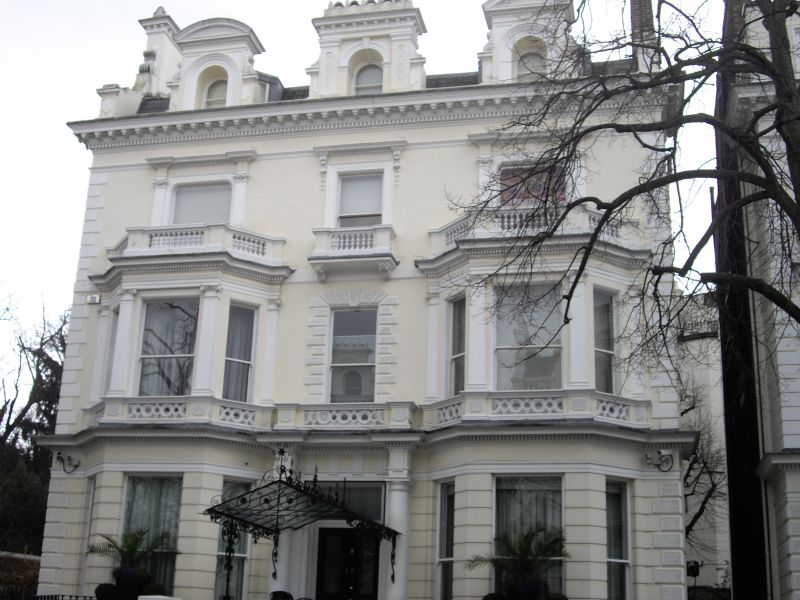
Marjorie Fricker’s mother, one of my four great grandmothers, was Clara Emma Bristow who was born in North Adelaide in 1859. She married Richard Fricker in 1884 when her family was living in Waterfall Gully. Her father Henry Bristow had arrived in Adelaide from Camberwell London 10 years earlier in 1849 though early in life he had lived in Yorkshire. One of his cousins was John Syer Bristowe who like Henry moved from Yorkshire to London. He became a famous physician and surgeon and wrote several books which are still available in the library of St Thomas Hospital London where he worked for many years. One of the descendants of the Syer Bristowe side of the family, William Syer Bristowe PhD contacted Clara’s family in 1938 as part of his research into the genealogy of the family. He had traced the family tree through many generations going back to Burstow Manor in Surrey in the 13th and 14th centuries and even back through the years of the Normans and Vikings to Ronald the Mighty who died in 890AD. He does concede in his long letter of April 12 1938 written from 37 Holland Park London that details of some of the earlier generations are more probability than solid fact.
My other paternal great grandmother was Rose Eleanor Jane Howard. Her parents were Francis Samuel Augustus Howard and Ellen Goodger who had married in Guildford, a suburb of Perth Western Australia just two months after Ellen’s arrival in WA from Sussex England in 1867. Francis worked as a “water policeman”, ie Customs Officer in the port town of Fremantle. He tragically drowned when his first daughter Rose, who had been born in 1868, was just three years old. It is not surprising that later in life Rose could empathize with my father who had lost his mother at age three. Perhaps that empathy contributed to her decision to take my father and uncle into her home for almost 10 years when they were young boys.
At age 21 Rose’s mother, Ellen Goodger Howard, just like brave Mary Honey who had migrated to Australia following the early death of her husband, moved herself and her young daughter to Adelaide 1,670 miles away. Ellen lived near Port Adelaide, worked as a midwife, and remarried to a Scottish sailor William Levack who was a year younger than her. In 1886 young Rose at age 18 married Richard Frederick Jonas at the Methodist Manse in Glanville near Port Adelaide. And as noted previously, she and Richard had the good fortune to be able to live in one of the homes of the wealthy benefactor, David Bower, who was married to Richard’s aunt Mary.
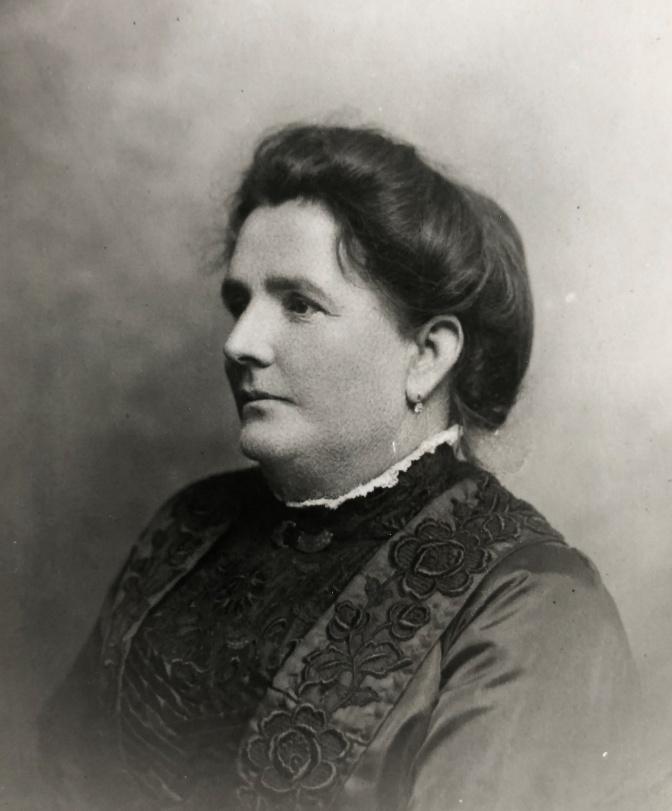
In 1851 gold discoveries in New South Wales and Victoria led to an international goldrush rivalling the California goldrush which had begun just 3 years earlier in 1848. Although gold was not discovered in large quantities in South Australia, copper had been discovered in 1842 and by 1860 South Australia had become known as the “Copper Kingdom” with the largest copper mines in the world. Perhaps it was word of the copper mining boom that led 16 year old John Coles from the village of Enmore Somerset England to set sail with his friend Henry Cummings in June of 1856. Or it may have been the continuing availability of assisted passage fares to South Australia. Such fares were not available to the eastern states that boasted the goldfields. Upon arrival they both headed about 50 miles north to the copper triangle between the Barossa Valley and the Clare Valley, which were both destined to become major wine producing centers. John and Henry bought a team of bullocks and hauled copper ore from the inland towns of Burra and Kapunda to the smelting port towns of Moonta and Wallaroo on the Gulf of St Vincent. Later in the 1800’s the town of Port Pirie north of Wallaroo was to become one of the largest smelting towns in the world following the discovery of silver, lead and zinc deposits at Broken Hill in the far north-west of the state (technically in New South Wales immediately across the state border). The Broken Hill Proprietary mining company has grown from those days to be one of the largest mining companies in the world.
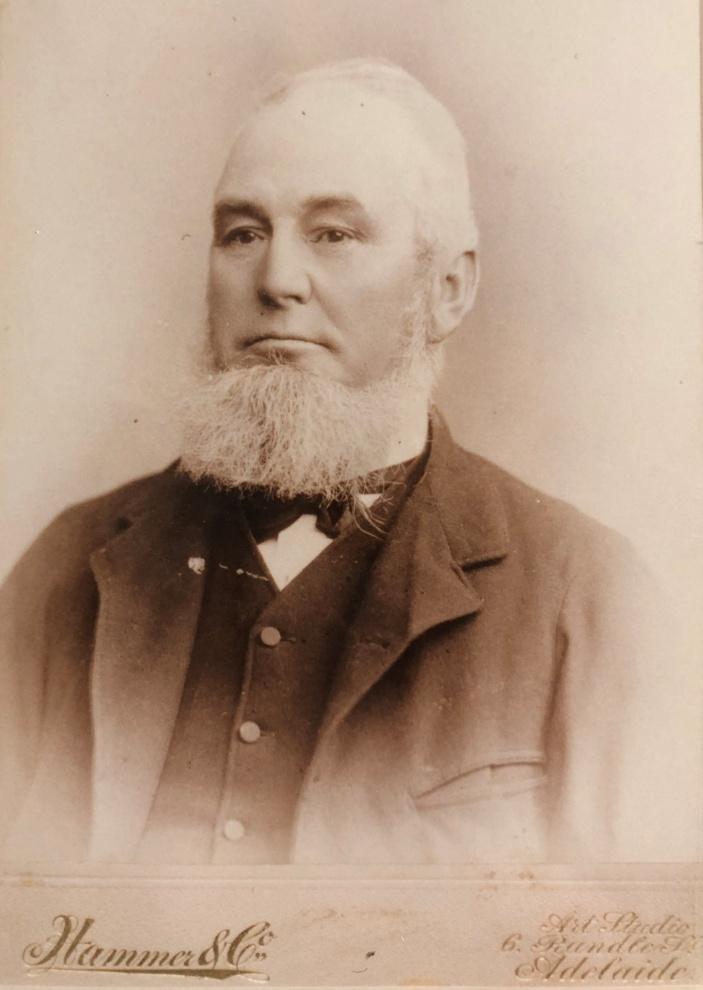
In February 1861 John Coles married Helen Huxtable of Mintaro, a town situated half way between Burra and Kapunda on the copper carting route. The Huxtables had arrived in South Australia just 4 years after the founding of the new colony in 1840 when Helen was only two years old. She had been born in Bideford Devon not too far from Enmore Somerset. Three years after John and Helen’s marriage, their friend Henry Cummings married Helen’s younger sister Grace. In 1871 both families bought wheat farms in the District of Belalie north of the copper towns. John began to play an active role in local politics. He became a member of the Belalie District Council and later the Jamestown Council and was an original share-holder of the South Australian Farmers Union. Both the Coles and Huxtable families prospered. In 1884 John and Helen made an extended overseas trip to visit their places of birth in England. They donated the land and supported the construction of the Belalie Methodist Church. In the late 1800’s nearly 30% of the South Australian colonists identified as Methodists.
In 1903 at age 66 Helen Coles died and was buried in Jamestown Cemetery. She had borne 10 children including my maternal great grandfather Edward “Ted” Coles who had been born in 1874. In 1913 aged 74 John retired from the farm and moved to a home in the suburb of St Peter’s near the school I attended, St Peter’s College. He bought the house at 28 Harrow Road from his son Ted who lived next door. He died in 1924 at age 85.
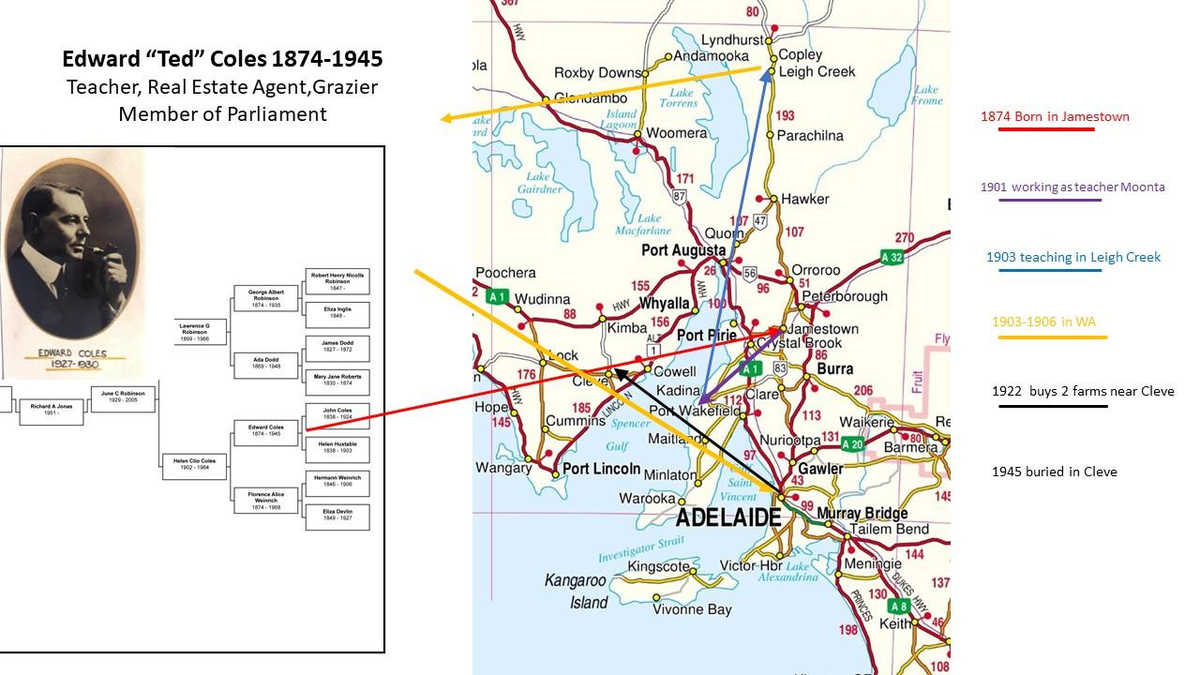
Ted Coles followed in the footsteps of his father John eventually becoming a landowner and dabbling in politics. However he lived during the turbulent years of the early twentieth century which presented many challenges. He is said by his family to have made two fortunes and lost both which may have been true of many who lived through the 1920’s and 30’s. He had trained as a classics teacher of Latin and Greek and initially worked in the copper mining area north of Adelaide where he met his wife Florence Weinrich. (More about that side of the family later.) However the global price of copper was falling drastically in the late 1800’s which may have contributed to his move north to Leigh Creek where huge deposits of coal had been discovered. It was the coal from Leigh Creek that would later power the expanding smelting towns of Port Pirie which handled copper, lead, zinc and silver and Whyalla directly across Spencer’s Gulf from Pirie where South Australia’s iron and steel industry developed close to huge deposits of extremely pure iron ore found at Iron Monarch and Iron Knob.
In the 1890’s gold was discovered in Western Australia setting off yet another international gold rush, this time centered on the town of Kalgoorlie several hundred miles east of Perth. Perhaps the gold rush led to Ted and Florence leaving Leigh Creek with their two young children, Helen Clio Coles, my mother’s mother and hence my maternal grandmother who had been born in Moonta and my great uncle Frank Hermann Coles who had been born in Leigh Creek. (Helen always went by the name “Clio”, a name that no doubt reflects her father’s early profession as a Greek Classics teacher: Clio being the Greek Muse of History.) Apparently things did not work out in WA and the family returned to Adelaide in 1906. Ted now shifted careers and established a real estate and insurance company on Grenfell Street in downtown Adelaide. All four of his children attended private school with my grandmother Clio and her sister Hazel attending St Peter’s Girls School and Frank attending St Peter’s Boys. The youngest sibling, Sylvia, attended Presbyterian Girls College, later Seymour. In the booming 1920’s Ted purchased a large seafront home as well as two farms on Eyre Peninsula. In 1927 he became a Member of State Parliament representing the district of Flinders on Eyre Peninsula where his farms were located. Clearly things deteriorated swiftly in the 1930’s as the Depression ran its course though he was able to retain one farm north of Port Lincoln which my great-Uncle Frank managed for most of his life. The seafront home at the Grange was remortgaged to Florence. Ted died while visiting Frank’s farm near Cleve on Eyre Peninsula in 1945.
In 1901 the six independent colonies including South Australia “federated” to become a new nation, the “Commonwealth of Australia”. In the same year my great grandmother Florence Weinrich, “Narnie” to her many grandchildren and great grandchildren, including me, married Ted Coles at the residence of the Catholic Archbishop at West Terrace Adelaide. The fact that the wedding was a Catholic ceremony is intriguing because Ted’s father John Coles had established a Methodist church in Belalie near Jamestown and his mother Helen had attended Holy Trinity Church on North Terrace Adelaide, the first church built in Adelaide and solidly Church of England. Furthermore, German migration to South Australia had begun in 1838 with 200 refugees who were Lutherans, not Catholics, escaping religious persecution. The Lutherans were sponsored by the South Australian company and were the first continental Europeans to be given assisted passage to Australia. Many more German immigrants followed, particularly over the next 20 years as Germans escaped not just religious persecution but also harsh economic conditions and the political upheaval which culminated in the 1848 riots and rebellions that swept across Europe as the old monarchies began to topple following the first domino, France and the French revolution.
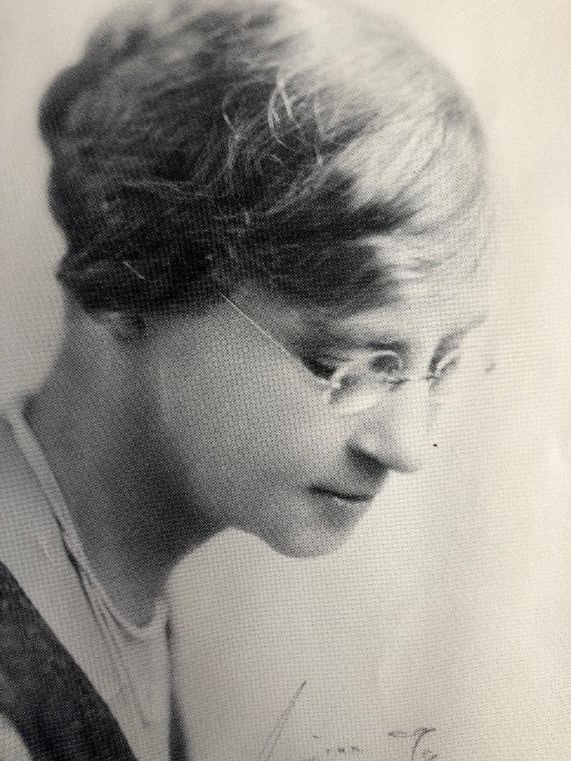
Narnie’s father, Hermann Weinrich at the age of 17 together with his older brother, Carl left the town of Duderstadt in the District of Göttingen in the state of Lower Saxony in September 1863. Meticulous German records include the original newspaper announcement of Hermann’s birth in 1846 as well as details of the family home at 515 Steintor Strasse, now number 42 and still standing. In fact the town of Duderstadt has more than 500 homes that are more that 500 years old, in large part thanks to the German major who made the decision to vacate the town as the American military approached toward the end of the Second Word War. In addition to 500 historic homes, the original Catholic and Lutheran churches continue to stand at opposite ends of the main street, reflecting the location of the town in the south of the state of Lower Saxony at the watershed between the Lutheran north and the Catholic south. The town was also literally at the border between East and West Germany and had one of the few border crossing gateways allowing West Germans to travel through to the communist East during the years of the Cold War.
Hermann and Carl Weinrich settled in the Clare Valley north of Adelaide, which like the Barossa Valley and McLaren Vale, was on its way to developing into a major wine producing center under the influence of German immigrants who settled in these areas as well as in Adelaide itself. Hermann initially worked as a shoemaker which was his occupation listed on his marriage certificate in 1869 to Eliza Devlin, an Irish catholic girl aged 20 who had arrived with her family via Plymouth England in 1854 when she was 5 years old. Hermann and Eliza had 3 children including our Florence Alice.
Hermann took up a new occupation in 1881 at age 35. He became the licensee of a hotel in the booming town of Terowie, 40 miles north of the copper town of Burra and on the new road and rail line to Broken Hill where silver had been discovered. He later became a sheep grazier in challenging country 100 miles west of Port Augusta at Pimba. This is where he died in 1906.
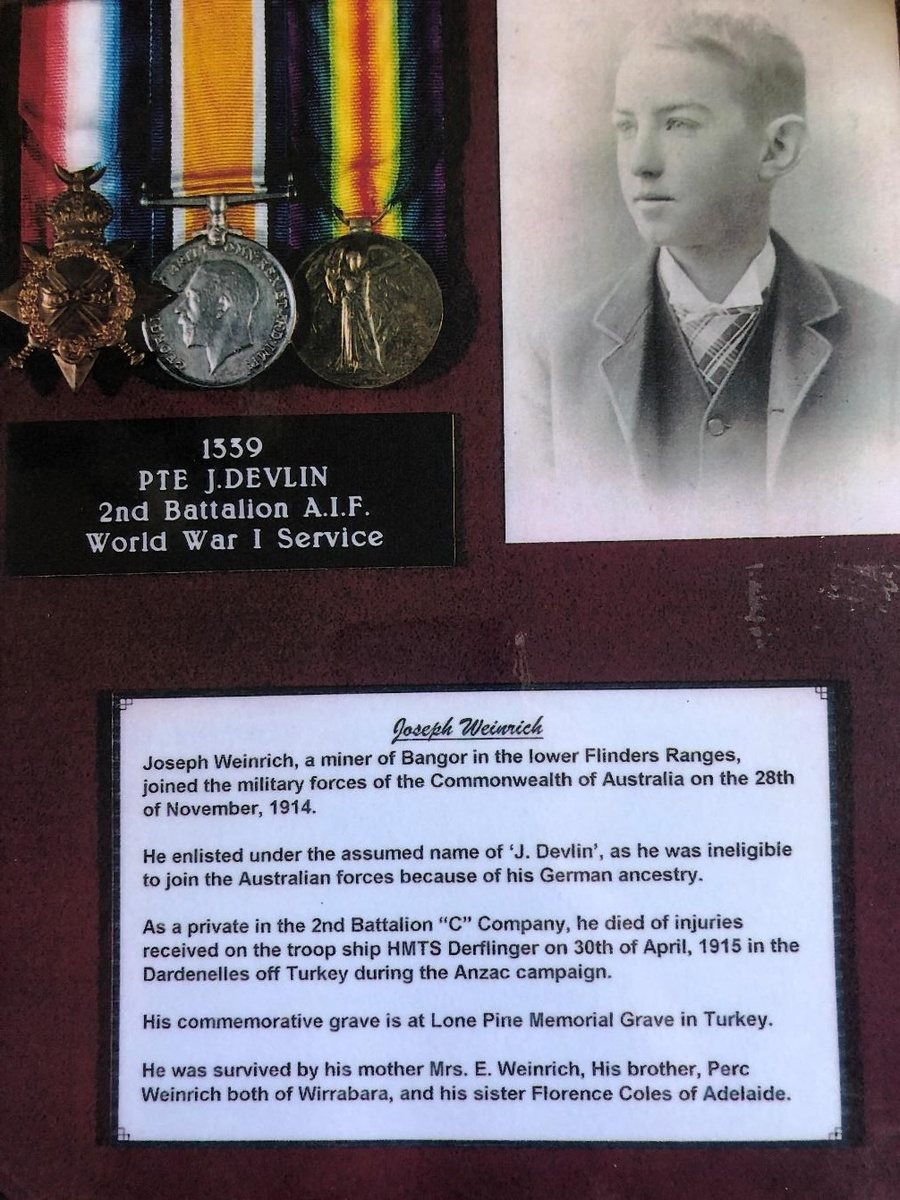
Nine years after Hermann’s death his oldest son Joseph died at Gallipoli during the First World War. Like my great uncle Frank, Joseph had attended St Peter’s College. He enlisted in the Australian army under his mother’s maiden name as Joseph Devlin. His German ancestry if known would have excluded him from fighting on behalf of the British Empire. He received critical wounds in action during the landing on the Anzac beaches and died on the hospital ship Derflinger on April 30, 1915. His name is listed as Joseph Weinrich in the Memorial Archway at St Peter’s College but as Joseph Devlin on a Memorial Plaque at the Lone Pine Memorial at Gallipoli Turkey including a record of his campaign medals: the 1914-15 Star, the British War Medal and a Victory Medal.
Following Ted Coles’ death in 1945 Narnie continued to live in their seaside home “Elonara” at the Grange in Adelaide together with her daughter Clio, my grandmother, my mother June and my uncle Michael. Michael suffered from severe mumps complicated by encephalitis when he was about 7 years old in 1940. He never had any biological children of his own. Clio had moved in with her parents in 1940 when my mother was 11 and Michael was 6 during the Second World War when her father Lawrence Robinson was flying with the 28th Squadron of the RAF Far East Force in Burma and China. The marriage ended after the war. Narnie sold Elonara in 1954 shortly before Clio remarried to Malcolm O’Grady from Perth. For the remainder of her days until her death in 1968 at age 94 Narnie alternated living with her two daughters in Adelaide, Hazel and Sylvia. Both of them like Clio developed breast cancer in their forties and died from the disease in their 60’s. Frank worked on the Coles farm on Eyre Peninsula for many years and eventually died in Port Lincoln at age 91.
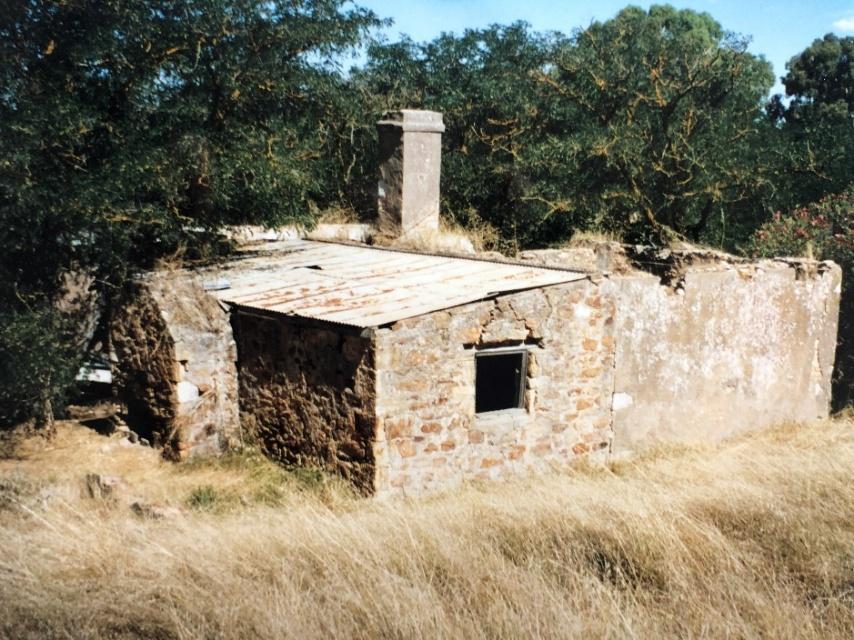
The family history of Lawrence Robinson, my maternal grandfather, bears a remarkable resemblance to the six other lines of my maternal and paternal great grandparents, the Coles and Weinrichs, the Frickers and Bristows, and the Jonas’s and Howards. William Robinson and his wife Mary Emma (Nicholls) Robinson arrived in Adelaide from Gloucestershire England in 1848, just one year after John and Betsy Jonas and one year before the Frickers and Bristows. William was 37 and Mary Emma was 31. William initially worked as a farmer in the Adelaide Hills near Mt Crawford and Gumeracha. However they settled into their longterm home in the area of Saddleworth, halfway between the copper towns of Kapunda and Burra. William and his brother Henry bought and sold many properties in the area which at the time was described as “rich and fertile grazing land”. Ruins of the family home on Golf Course Road Saddleworth can still be found today.
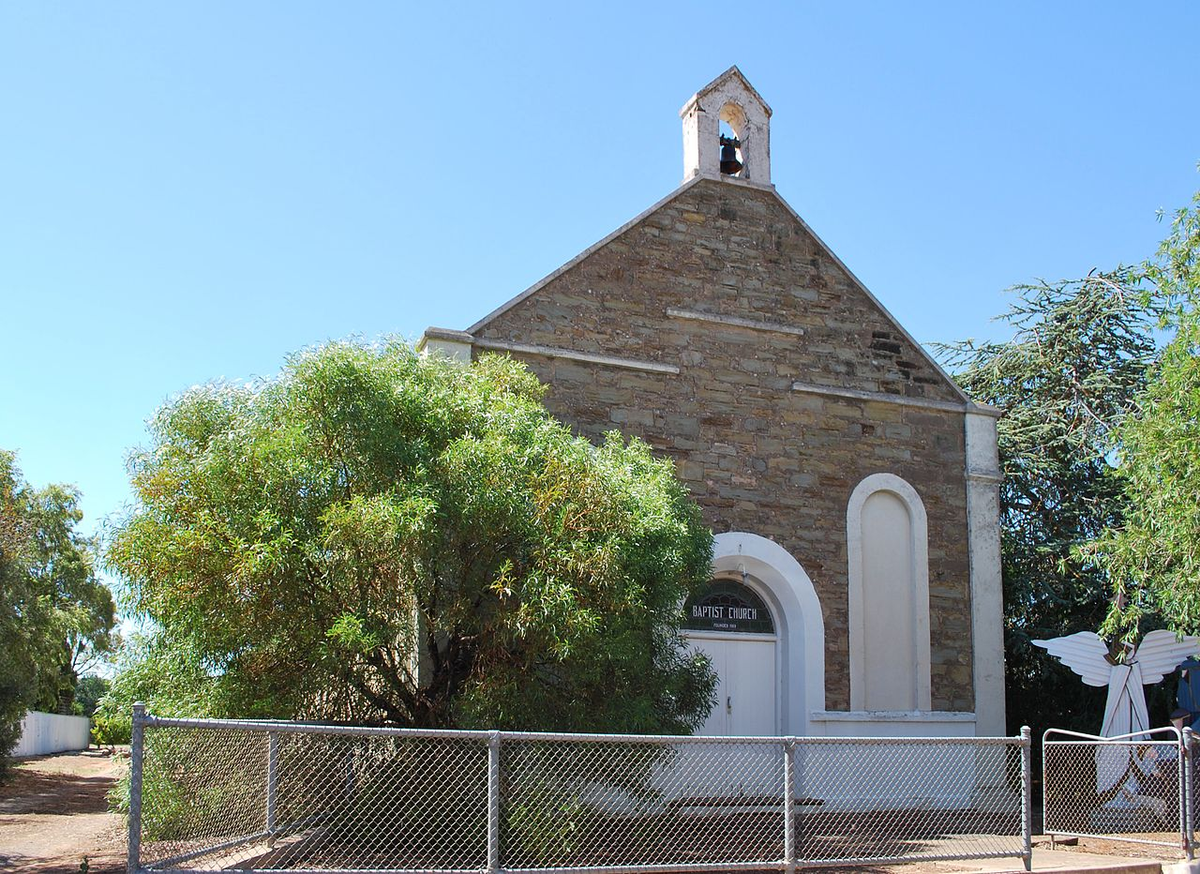
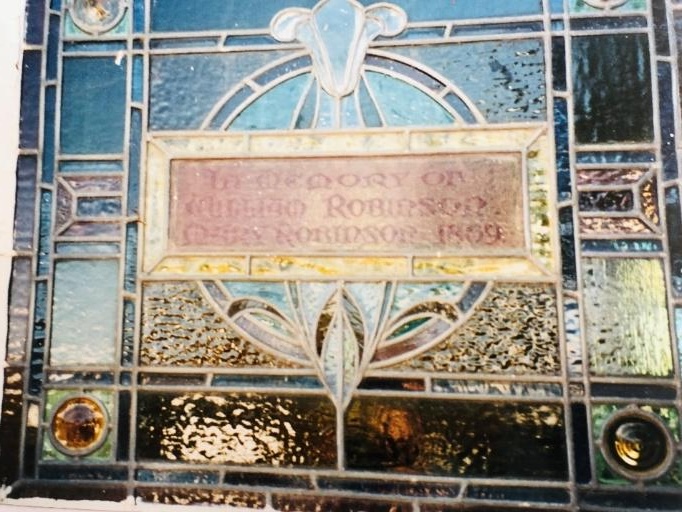
Like the Frickers and Jonas’s, William and Mary were Baptists and helped to establish a Baptist Church in Saddleworth in 1869, seven years after Richard Fricker senior had helped with the foundation of the Alberton Baptist Church near Port Adelaide. The stained glass window dedicated to the memory of William and Mary Robinson is still in place in the original church in Saddleworth today.
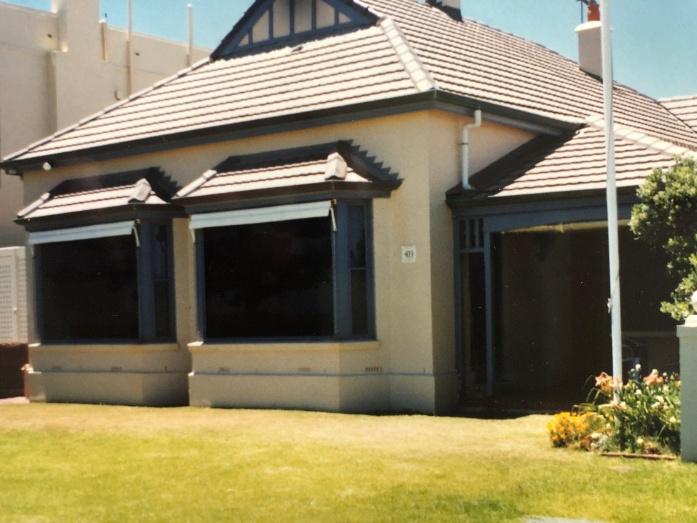
Robert Henry Nicholls Robinson, my great great grandfather was William and Mary’s oldest child. He was one year old when he arrived in Adelaide from England with his parents in 1848. Property records from Saddleworth have documented that like his father William, as an adult he bought and sold many properties in the area. Robert married Eliza Inglis in Adelaide in 1871 when she was 23 years old, 15 years after she had arrived with her family also from England. Three years later their eldest son, George Albert Robinson, my great grandfather, was born in Saddleworth. His occupation when he married my great grandmother, Ada Dodd in 1896 was listed as “tailor”. Ada and George left Saddleworth and lived at the Grange in a beautiful seafront home at 409 The Esplanade which remains standing today. Their second son, my grandfather Laurence George was born in 1899. Like his parents he lived in a home on The Esplanade at the Grange which he shared with his mother Ada in her final years together with his second wife Laurena Smith whom he had married in 1946.
Laurence “Laurie” Robinson had married my grandmother Helen Clio Coles in 1927 in St Paul’s Anglican Church in central Adelaide, perhaps as a compromise for the Robinson family with their Baptist heritage and the Coles family with their Methodist and Catholic traditions. Laurie and Clio initially lived in Tranmere at a time when Laurie owned and operated an advertising agency in downtown Adelaide. The 1930’s depression was a particularly difficult time in South Australia as global prices for wool and wheat had plummeted. The newly established auto manufacturing industry proved to be very vulnerable. The Holden Motor Body Building Company that eventually played a major role in transforming the town of Woodville from a residential suburb anchored by the Bower estate at St Clair, produced 54,000 car bodies in 1926. By 1932 production had fallen to 3,295. It was only through a fire-sale of the company to the General Motors Corporation of America that saved the company that emerged as General Motors Holden, Australia’s number one car manufacturer for decades. But there was no white knight to save Laurie Robinson’s advertising agency that operated out of the Insurance Charter Building on Pirie Street Adelaide.
My mother, born in 1929, was just a young girl at the time but it was her childhood belief that Laurie had traveled via Shanghai to the United States in the 1930’s, perhaps seeking a business partnership like the Holden family had found in General Motors. He was not successful in this. Only the onset of the Second World War in the late 30’s saved South Australia’s industrial base when three of the largest munition factories in Australia were established at the Holdens site in Woodville as well as nearby at Hendon and Finsbury. But the war did not save my grandparents’ marriage. Laurie joined the airforce in the Far East and never returned home to his wife and two children. I often heard my brash, fun-loving great aunt Sylvia, probably in defense of her eldest sister Clio, describe Laurie as a “playboy”. The facts are that in 1927 he married the shy eldest daughter of a wealthy landowner and State Parliamentarian. By the 1930s when his wife’s family had lost their fortune and with his own business bankrupt he moved on, later to marry the sister of one of Adelaide’s most prominent medical families. Her brother Mervyn Smith was President of the Australian College of Surgeons when I was admitted as a Fellow of the College. His signature is on the Diploma that hung on my office wall for many years.
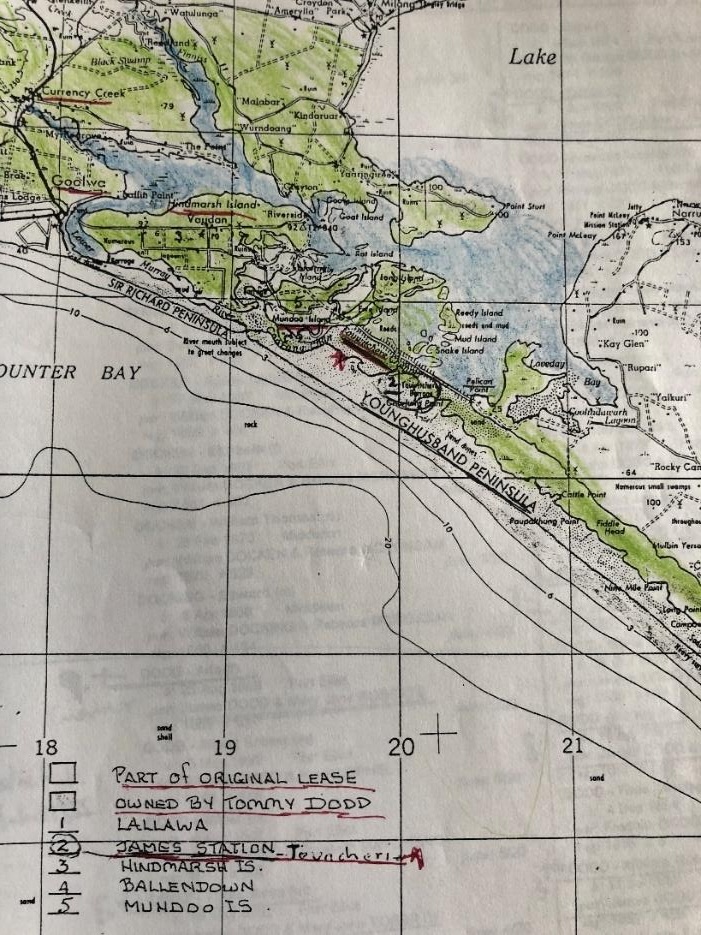
Laurence Robinson’s mother was Ada Dodd who was born in Port Elliot in 1869. Port Elliot is close to the mouth of the Murray River, Encounter Bay and Kangaroo Island, the latter two having been considered as sites for the capital of the new colony of South Australia. However Colonel Light, the surveyor who arrived with the initial fleet of colonists in 1836, eventually decided on the present site on the Torrens River eight miles south and east of Port Adelaide and about 50 miles north of Encounter Bay. Ada’s father James and grandfather Thomas had arrived in Port Adelaide in 1849. Thomas, in contrast to all my other forebears who had come through assisted passage, was a landowner who had helped to finance those who came by assisted passage. He had purchased a large holding of land, 76 acres in what was to become the heart of Port Elliot, before making the long voyage from Norfolk England. James and his brother Thomas junior soon headed to the gold fields of Bendigo Victoria during the goldrush of 1851. They returned in 1855 with a large number of horses they had purchased in Sydney and established farms in the Coorong, a long narrow sandy peninsula which extends to the south and east of the Murray Mouth. This was difficult land to farm and there were many aboriginal tribes in the area. There are numerous descriptions of early settlers being killed including Lieutenant Collet Barker who was surveying the area in 1831 on the recommendation of Captain Charles Sturt who had been the first to follow the Murray River from the eastern states to its mouth. James’s farm was named Touacherie. An early worker on the farm, John Lewis, later became a Member of Parliament and wrote an autobiography which includes detailed descriptions of his time working on the Coorong.
The Encounter Bay birth records of 1874 include multiple children born to James Dodd and Mary Jane Roberts though there is no record of James every marrying Mary Jane and curiously she is not mentioned in his will. His youngest child Ada was just 4 years old when James died at age 44 in 1872. His grave is marked to this day by an impressive carved marble tombstone in the Goolwa and Currency Creek Cemetery. Mary Jane’s death was recorded in the Encounter Bay records of 1874 with the cause of death being pulmonary consumption. Ada was 5 years old at the time of her mother’s death.
Twenty-two years later at age 27 she married my great grandfather George Albert Robinson. The second of her two children, Laurence Robinson, my grandfather was born within 3 years of their marriage.
I am indebted to Valda von Bertouch, my father’s cousin who diligently researched all eight lines of my great grandparents. When I first met Valda in the 1990’s, she was visiting Boston as part of a worldwide mission to track down relatives of the Jonas family. She had recently been at the Dingley Farm in Cornwall where John Jonas was working when he met Betsy Honey in the village of Lewannick. I encouraged her to follow my mother’s side of my family which she did over the next 5 to 10 years. I was happy to cover the costs of several genealogy services which she used in South Australia, Germany and England. This article would not have been possible without her many devoted hours of research.