The Book
20 Jan 2026
Publishing a Book in the 2020s
How the digital revolution reshaped academic journals and book publishing alike.
Read moreChallenging dogma: the story of bold innovation that transformed surgery for babies with congenital heart disease.
10 Jan 2026
Essays & Reflections
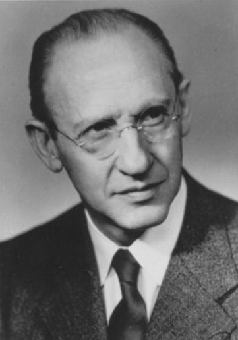
Dedicated to my mentors Aldo Castaneda (1930-2021) and William Norwood (1941-2020).
It is generally accepted (at least in Boston if not in Baltimore) that surgery for congenital heart disease began in the summer of 1938 when Robert E Gross successfully closed a patent ductus arteriosus in a 7 year old girl, Lorraine Sweeney (Fig 1) at Boston Children’s Hospital, the pediatric teaching hospital of Harvard Medical School. Other surgeons before Gross had discussed the possibility of tying off the ductus, the blood vessel that bypasses the lungs before birth and that fails to close following birth in some newborns. The procedure had been attempted before Gross’ successful procedure by John Strieder at Massachusetts Memorial Hospital, later Boston City Hospital, just 2 or 3 miles from Boston Children’s. Consistent with a long tradition of “highly competitive” medical staff at Boston Children’s, Gross’s chief, William E Ladd fired Gross for his pioneering success. Gross later took Ladd’s position as Chief of Surgery as well as his endowed chair at Harvard Medical School.
Gross was a firm believer in developing a strong theoretical background as well as technical skills for a new surgical procedure by performing preliminary studies in the animal laboratory. He did this before his patent ductus procedure and subsequently undertook a systematic series of procedures in laboratory animals to plan for the next congenital cardiac challenge, surgical repair of coarctation of the aorta, a narrowing of the aorta that can develop adjacent to the ductus. Despite his pioneering laboratory studies, Gross was not the first to undertake a successful clinical case which has been attributed to Clarence Crafoord of Sweden (Fig 2). Gross claimed that Crafoord stole his idea when he visited Gross’s lab (Gross never again allowed visitors into his animal lab). After hearing of Crafoord’s surgical success, Gross hurriedly published his experimental studies in the New England Journal of Medicine and added a report of a successful clinical case when correcting the galley proofs, thereby claiming priority of publication over Crafoord.
Helen Taussig, the legendary cardiologist from Johns Hopkins, is said to have visited Gross in 1939 and suggested to him that he should construct a duct-like structure to increase blood flow to the lungs for “blue babies”. Gross’s reported response “Madam, I close ductuses, I don’t make them” may be apocryphal as Gross had in fact created an animal model of the patent ductus in the animal lab when developing the surgical procedure for the first successful clinical case. In any event Taussig returned to Baltimore where she convinced Alfred Blalock to develop the idea. With the technical skills of his lab technician Vivien Thomas, Blalock was able to achieve the first successful palliative procedure in 1944 for blue babies who had inadequate blood flow to the lungs, most commonly caused by the condition known as tetralogy of Fallot.
The success of the Blalock-Taussig shunt in keeping blue babies alive for several years led to renewed interest in the possibility of open heart surgery to correct congenital heart malformations in children permanently rather than temporarily palliating their condition. Several surgical teams explored the possibility of using hypothermia to lower the body’s metabolic rate to allow a period of total arrest of the circulation during which the heart could be opened and repaired. Wilfred Bigelow in Toronto undertook numerous studies in hibernating animals to better understand the limits of this approach. In Minneapolis, F. John Lewis was working under the legendary Owen Wangensteen who promoted an exciting atmosphere of innovation in his department of surgery. Lewis was the first to successfully apply the approach of surface cooling with an ice-bath followed by a period of circulatory arrest during which he closed a hole in the heart in 1952. Although he achieved the first successful case, he was soon discouraged by patient deaths, presaging the experience of John Gibbon Jr who just 8 months later successfully applied the alternative approach of open heart surgery using a heart/lung bypass machine which he and his wife had worked on for many years in Philadelphia since his early days at Harvard Medical School and Massachusetts General Hospital. Meanwhile, another proponent of hypothermic circulatory arrest, Henry Swan of Colorado, applied his detailed knowledge of biophysics to improve his understanding of the physiological responses of the body to hypothermia. Swan amassed a large clinical series of successful surgical cases, mainly closure of holes in the heart. His techniques began to be used widely across the US and the world in the 1950’s. The door to surgery for repair of congenital heart disease had been opened.
Although John Gibbon was able to achieve successful open heart surgery with his heart-lung machine in 1953, the technique did not become widely used until the following decade. Gibbon himself was so discouraged by the deaths of his subsequent patients that he retired from clinical practice. The challenge of refining the Gibbon machine to improve safety and efficacy was taken up by John Kirklin (Fig 3) at the Mayo Clinic where he worked with the IBM corporation to develop a sophisticated but large and enormously expensive machine. On March 23 1955 he successfully applied the machine in closing a simple hole in the heart. However the majority of surgeons continued to use the technique of hypothermia and circulatory arrest for the remainder of the decade. In August 1954 C Walton Lillehei in Minneapolis (Fig 4) began using the technique of cross circulation with one of the child’s parents supporting the child’s circulation while the heart was being repaired. Lillehei achieved many surgical firsts in the field of congenital heart surgery using the cross circulation technique. Just 90 miles away in Rochester Minnesota at the Mayo Clinic John Kirklin also pioneered many new operations for congenital heart disease using the IBM machine. But when a parent sustained brain damage during a cross circulation operation, Lillehei abandoned the technique and began using an alternative simpler version of the heart-lung machine that employed a “bubble oxygenator” developed in his laboratory by Richard DeWall.
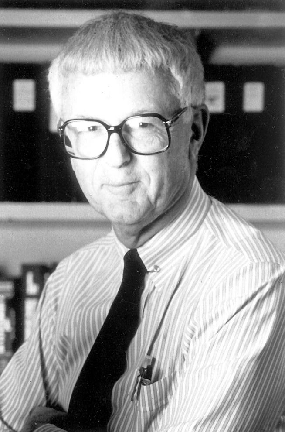
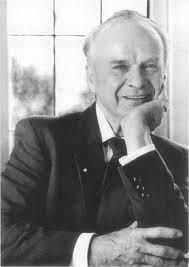
By the 1960’s open heart surgery using the heart-lung machine was starting at hospitals around the world and particularly in the United States as many surgeons who had been trained by Lillehei took leadership positions around the country. Two of those surgeons, Aldo Castaneda (Fig 5) and William Norwood (Fig 6) became the lead players in the development of two landmark, innovative operations, the arterial switch for transposition of the great arteries and the Norwood procedure for hypoplastic left heart syndrome. But not before some remarkable developments had occurred 12,000 miles away in Auckland New Zealand.
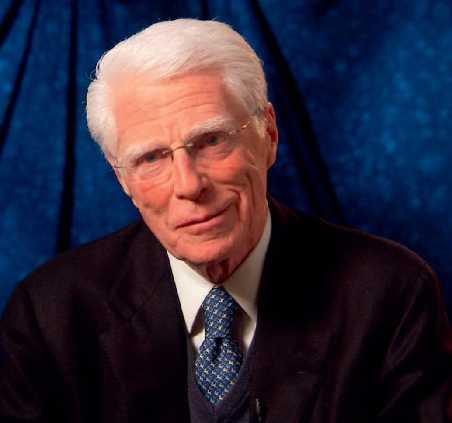
Many outstanding surgeons trained with John Kirklin at the Mayo Clinic. One of them was a young surgeon from New Zealand, Brian Barratt-Boyes (Fig 7). He recognized that the heart-lung machine was particularly dangerous for young infants in part because of the size mismatch between the baby with congenital heart disease and early machines including the massive transfusion of donor blood that was required to prime early heart-lung pumps. He was well aware that Lillehei had been able to successfully correct congenital heart lesions in small infants using cross circulation where small size was actually a benefit. So the dogma that began to arise in the early years of cardiac surgery among surgeons using the heart-lung machine, namely that infants were inherently too fragile to undergo surgical repair had already been proven to be wrong though this was apparently forgotten already. Barratt-Boyes had not forgotten and was also aware of the success of early operations in infants and small children using the hypothermia technique that was still being employed in many centers world-wide where heart-lung machines were too expensive to be used. But the fundamental problem of hypothermia achieved with surface cooling with an ice bath, was that there was limited time available, insufficient time to correct more complex problems than simple holes in the heart. But cooling to a lower temperature, to “deep hypothermia” often caused the patient’s heart to develop ventricular fibrillation which could be fatal. When he returned to New Zealand following his time at the Mayo Clinic, Barratt-Boyes worked with a young Japanese surgeon from Kyoto where studies were being done on deep hypothermia, including a hybrid procedure in which the heart-lung machine briefly supported the patient at temperatures below which fibrillation was a risk. Barratt-Boyes adopted the technique. More importantly his immense surgical skills allowed him to achieve successful repair of even complex congenital lesions such as transposition of the great arteries in the first year of life before heart failure, low oxygen level or damage to the fragile blood vessels in the lungs made survival unlikely, even following perfect surgery. He presented his results at an international conference in New Zealand in 1972 and opened the door to early primary repair of congenital heart disease in infants and newborns.
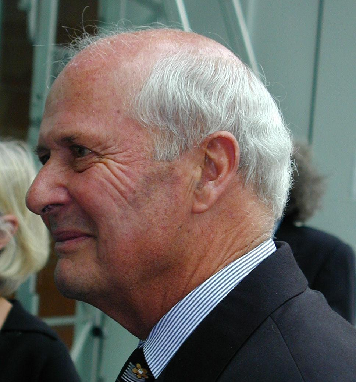
Although Barratt-Boyes was able to achieve amazing outcomes for infant heart surgery for the time, i.e. the late 1960s and early 1970s, many newborns with congenital heart disease still succumbed in the first days of life when their patent ductus closed. Although a persistently patent ductus burdens an otherwise normal heart and hence the need for Gross’s pioneering operation, some patients have congenital heart anomalies that are not fatal until their ductus closes usually during the first week of life. These “duct-dependent lesions”, both in cyanotic “blue baby” lesions like tetralogy of Fallot and pink, acyanotic lesions like interrupted aortic arch, required rapid diagnosis and emergency surgery. Diagnosis at this time required invasive cardiac catheterization and X-ray fluoroscopy which further stressed a newborn who was likely in extremis. During the 1960s research on the “eicosanoids” including the prostaglandin family and the cyclooxygenase enzymes COX-1 and COX-2 improved general understanding of the mechanisms of action of anti-inflammatory agents like aspirin and facilitated development of new NSAIDs (non-steroidal anti-inflammatory drugs) beginning with ibuprofen. Bergström, Samuelsson and Vane received the Nobel Prize for their work in this area in 1982. Their research also opened the door to the synthesis of prostaglandin E1 which had been noted to relax the constricting muscle of the closing ductus arteriosus. Barratt-Boyes’ laboratory team was the first to publish confirmation of the efficacy of PGE1 in reopening the closing ductus in 1975. By the late 1970s the drug was in widespread usage in pediatric hospitals throughout the world leading to a revolution in the care of neonates with duct-dependent congenital cardiac lesions.
Initially prostaglandin was applied for cyanotic lesions like tetralogy of Fallot and specifically for babies with a critically narrow pulmonary valve leading to the lungs. The premise was a simple fulfillment of Helen Taussig’s plea to Robert Gross, to create a ductus to supply pulmonary blood flow to the baby who was critically blue because of inadequate blood flow to the lungs. But gradually more sophisticated congenital cardiac centers began to recognize that critical left heart lesions, which are far more common in western countries than critical right heart lesions like tetralogy, also could be palliated by reopening the ductus. And one of the most common critical left heart lesions that resulted in more neonatal deaths than any other single lesion was hypoplastic left heart syndrome.
The prostaglandin revolution did not just change how newborn babies with critical congenital heart disease were managed but where they were managed and by whom. Because up to this time, i.e. the end of the 1970s, heart surgery for both children and adults was conducted by general cardiothoracic surgeons, many of them glamorous figures in their communities or even nationally or internationally such as Denton Cooley or Christian Barnard. They practiced in general hospitals that admitted both adults and children. In the morning a surgeon like Denton Cooley would undertake coronary bypass surgery on 4 or 5 adult patients assisted by multiple teams in multiple operating rooms while later in the day he might undertake a Mustard repair for an infant with transposition. Barratt-Boyes at Green Lane Hospital in New Zealand and John Kirklin, who had left the Mayo Clinic and was now at the University of Alabama in Birmingham, also personally conducted both adult and pediatric cardiac surgery in general hospitals that managed patients of all ages. However the discovery of PGE1 meant that hospitals needed to have medical and nursing staff who were skilled at managing newborns who might arrive at their center desperately unwell. Administering oxygen was often the very worst thing that could be done in conjunction with a prostaglandin infusion as it could result in flooding of the lungs with excessive blood flow. And new diagnostic technology designed for infants and newborns was beginning to arrive, improved echocardiography machines, initially one dimensional “M-mode”, then 2D, then color flow mapping and finally 3D echo with sufficient resolution to allow accurate non-invasive diagnosis of even complex cardiac lesions. Blood gas analysis machines for neonates and premature babies requiring miniscule volumes of blood were available in neonatal intensive care units in pediatric hospitals but not in the cardiothoracic intensive care units which were beginning to appear in general hospitals for the management of postoperative cardiac surgical patients in the mid 1970s. So the scene was set for the baton of leadership in innovation to pass from the early all-round pioneers like Kirklin, Barratt-Boyes and Cooley to pediatric cardiac specialists, surgeons like Paul Ebert at UCSF, George Trusler and Bill Williams at the Hospital for Sick Children in Toronto and in Boston to Aldo Castaneda and Bill Norwood.
Although Robert Gross had pioneered cardiac surgery at Boston Children’s Hospital, by the 1970’s congenital cardiac surgery was being performed in roughly equal numbers at three centers in Boston: two general hospitals Massachusetts General Hospital and New England Medical Center and one pediatric hospital, Boston Children’s. Robert Gross had continued his focus on closed cardiac surgery like coarctation and had resisted the introduction of open heart procedures using the complex heart-lung machine developed by John Kirklin. He also resisted the shift to early primary repair pioneered by Barratt-Boyes in the late 1960’s. Gross’s results for the Mustard procedure for transposition of the great arteries in infants were so disappointing that patients were quietly sent from Boston to Dr Subramanian in Buffalo New York where he had established an outstanding reputation for the Mustard procedure, almost equal to those achieved by the team in Toronto where the operation had been pioneered by Bill Mustard. Meanwhile at New England Medical Center Richard Cleveland carried on the tradition begun by John Streider who had attempted ductus ligation the year before Gross. At Massachusetts General Gerald Austen and Mortimer Buckley developed one of the leading combined adult and pediatric programs in the country though with strong competition for adult surgery from the competing Harvard teaching hospital across town, the Peter Bent Brigham where Dwight Harken had pioneered aortic valve replacement. In 1980 the Peter Bent Brigham amalgamated with the Harvard obstetric Hospital and became the Brigham and Women’s Hospital which was immediately adjacent to Boston Children’s, allowing immediate transfer of babies born with heart disease to the new cardiac intensive care unit at the children’s hospital. And by 1980, Aldo Castaneda, had been established at Children’s as Gross’s successor of the William Ladd Chair at Harvard Medical School for 8 years. He brought with him from Walt Lillehei’s program in Minneapolis not only superb technical skills, a debonair and charming personality, sartorial elegance enhanced by his personal tailor in Rome but in addition a deep belief in the importance of innovation instilled in him and all members of the cardiac program at the University of Minnesota by Owen Wangensteen, the chief of surgery. He also brought with him an abiding faith in the principle of early primary repair though little respect for its earliest proponent, Brian Barratt-Boyes whom he considered arrogant and opinionated. It is probably fair to say that he was not alone in this assessment. Nevertheless, Castaneda was now in a position as the Ladd professor at Harvard Medical School to promote the concept of early primary repair far more effectively than an antipodean surgeon in the far reaches of the South Pacific.
One of the greatest legacies of the Lillehei/Wangensteen innovation hub in Minneapolis was its success in incubating leaders in the field of cardiac surgery including congenital cardiac surgery. Countless young surgeons were attracted to learn from Lillehei who remained an eternally optimistic “cowboy”, unrestrained by convention and formality. He and Wangensteen encouraged the budding surgical superstars who flocked to their operating rooms to test the limits of dogma and to try what they believed in. One of those young surgeons was William I Norwood.
Aldo Castaneda saw things in Bill Norwood that perhaps others could not and offered him a job at Boston Children’s after he completed his fellowship at Peter Bent Brigham. Bill was everything that Aldo was not. Bill usually wore surgical scrubs or a plain open-necked white shirt. While Aldo had attended a Swiss prep school, Bill had been educated through the public school system in New Mexico where his father had been employed on the Manhattan Project during the second world war. Bill had wanted to be an Air Force pilot and began training at the Airforce Academy but dropped out when he was told he could not fly because of his eyesight. He could often be seen in the Boston Children’s ICU pulling at the skin at the corner of his eye to change the refraction to improve his view of a monitor from the end of a patient’s bed. And in contrast to Aldo who was beloved by the nursing staff from the most junior to the most senior, Bill was not popular with the Irish and Italian American nurses who often had trouble accepting Bill’s unorthodox approaches to many patient management challenges. He did not tolerate fools gladly and rarely explained his rationale, which was consistently brilliant and correct but often not in agreement with the dogma of the time. Needless to say, he had considerable trouble relating to the emerging specialists in the field of pediatric anesthesia and intensive care management as well as pediatric cardiologists. But there were two critically important exceptions, two individuals without whom the Norwood procedure would never have happened, or certainly not bearing the name of a technically brilliant albeit socially awkward surgeon at Boston Children’s Hospital. Those two people were Peter Lang and Dolly D Hansen, two people who like Aldo recognized Bill’s brilliance and perhaps shared some but by no means all of his personal traits.
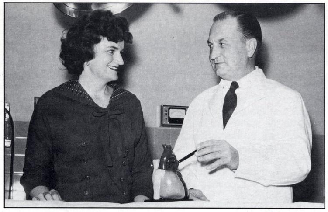
Dolly Hansen (Fig 8) was a superb pediatric cardiac anesthesiologist with technical skills that were unequalled at Boston Children’s. She had trained in surgery in her native Denmark before switching careers to anesthesia, perhaps in part related to a near fatal bout of polio which left her with a permanent limp and occasional arm and hand weakness. She also had a severe degree of myopia and wore the classic thick “coke bottle” glasses. But none of these physical challenges limited her skill in detecting and cannulating even the finest vein for an IV in a tiny premie or intubating the child with a severely congenitally deformed larynx. And this was in the days before ultrasound vein probes and fiberoptic laryngoscopes.
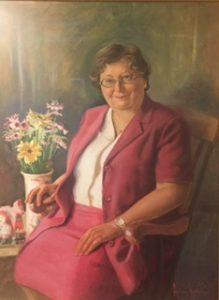
As a foreign medical graduate, Dolly, newly arrived at Boston Children’s only occasionally had the opportunity to give anesthesia for Dr Gross’s patients but she did work frequently with William Bernhard, Gross’s long-time associate in his latter years. Bernhard had become widely known for his pioneering work with the hyperbaric chamber after he had been asked by President and Jackie Kennedy to save their severely premature child using the chamber. Even though Bernhard’s attempt was unsuccessful, the ensuing publicity resulted in strong support of Dr Bernhard’s research lab which eventually led to the development of one of the first ventricular assist devices. Working with cardiac surgical patients in the hyperbaric chamber was an immense challenge for the anesthesiologist. Only Dolly Hansen was up to the challenge. This experience may have toughened her to the many challenges she would later face in assisting Bill Norwood with his critically ill population of babies with hypoplastic left heart syndrome.
Peter Lang is a quintessential New Yorker who went to medical school at Mt Sinai School of Medicine and Columbia Presbyterian for his residency in general pediatrics. He came to Boston to train in pediatric cardiology under the great Alex Nadas and completed his fellowship in 1978, just as prostaglandin was coming into clinical practice and just as Bill Norwood was beginning his early attempts to save babies born with hypoplastic left heart syndrome. Peter had long curly red hair and usually wore tight skinny jeans accentuating his tall thin frame. He had a particular interest in the cardiac ICU which was fortunate because in the late 1970s there was no specialty of cardiac intensive care and even general pediatric intensive care specialists were few and far between. The physicians in charge of managing pre and postoperative cardiac patients in those days were the surgeons, particularly the rotating trainees who came to Children’s for the 6 month mandatory exposure to congenital surgery which was part of their training in the Harvard-based cardiothoracic programs at Massachusetts General and the Brigham. Most of these individuals had little interest in congenital surgery and looked forward to working in the much more glamorous and remunerative field of adult cardiac surgery and tackling the rapidly increasing numbers of patients with coronary artery disease. The residents were totally dependent on getting good advice from the experienced nursing staff who were at all times powerful advocates for their small patients. Not surprisingly, when the resident physicians received orders from Bill Norwood that conflicted with the assessment of the patient’s nurse, the stage was set for a tense standoff. And this was where Peter Lang came in, the perfect mediator whom the nurses respected almost as much as they did Aldo Castaneda. In mediating multiple discussions of how best to manage the new world of prostaglandin therapy and care for critically unstable babies with single ventricle physiology for which no textbooks were available, Peter became confidently adept at the nuances of how to coax even the sickest baby through the early postoperative period. He was always happy to explain his rationale to both the nursing staff and resident staff. Bill Norwood recognized that Peter had unique skills in this area and trusted him and relied upon him.
When rotating surgical residents first entered the cardiac ICU at Boston Children’s in the mid 1970’s pre-prostaglandin, they soon encountered death. They witnessed frantic urgent attempts to save newborns who arrived listless, pale and close to death with little information about the underlying congenital heart problem. And they were the ones who were often given the task of informing heartbroken parents that the frantic efforts had been unsuccessful. But as soon as prostaglandin arrived and worked its magic, things changed for the better. Babies could rapidly be stabilized and within a day or two their narrow valve or critical coarctation could be surgically repaired. But certain babies were exceptions. They would be put in a curtained cubicle where there was no activity or sound other than the quiet sobbing of the grief stricken parents who had just been told there was nothing that could be done to help their baby. The babies had been diagnosed with hypoplastic left heart syndrome, by far the commonest form of single ventricle.
Bill Norwood decided to challenge the dogma that nothing could be done for hypoplastic left heart syndrome. These babies appeared healthy apart from their inadequate left heart structures. They did not have the malformed appearance common to hereditary genetic syndromes. Organ systems other than the heart usually functioned normally. By the mid to late 1970s increasing numbers of the Fontan procedure, an operation pioneered in Bordeaux France, were being done successfully for young children with a single ventricle. But one of Professor Francis Fontan’s “ten commandments” was that it had to be a single left ventricle and not the single right ventricle as seen in hypoplastic left heart syndrome. Another commandment was that the child should be at least 4 years of age. Even though prostaglandin could keep a newborn alive for a few weeks, there was no way a child could be kept in hospital on an intravenous infusion for 4 years. Norwood decided that he needed to devise a palliative surgical procedure that would allow the child to grow and develop until their fourth birthday. That procedure evolved into the “Norwood Procedure”.
Norwood, Lang and Hansen tried multiple versions of the Norwood procedure before they hit on the technique that worked. In the process many babies died…..but babies who would unquestionably have died without surgery. At least parents felt that something was being tried. But it was psychologically and emotionally difficult for the nursing staff who put enormous effort into keeping these fragile babies alive after major surgery only to have the child suddenly suffer a cardiac arrest and die. And unfortunately that was often the sequence because the baby with a single right ventricle after a Norwood procedure has a profoundly unstable circulation that is dangerously prone to abrupt cardiac arrest. And cardiac arrest can be precipitated by a routine nursing procedure like suctioning the endotracheal tube. With stress levels high in the cardiac ICU, these events could and did lead to increasing tension between both the nursing staff, the cardiology staff and Bill Norwood. If it had not been for the calming influence of Aldo Castaneda, who was not directly involved in the quest to develop a palliative operation for hypoplastic left heart syndrome, there is no way the program could have survived. But with incredible perseverance by multiple individuals and most particularly Norwood himself, finally in January 1983 the prestigious New England Journal of Medicine published the first successful case report of a Norwood Stage 1 procedure followed by a successful Fontan operation several years later. The dogma had been challenged and had been proven to be wrong.
Following the publication of the first successful Norwood procedure including the completion Fontan operation, Boston Children’s and Bill Norwood were sought by parents from not only around New England but also throughout the US and even globally. (Fig 9) While Norwood’s team until now had been carefully selective about which babies they would subject to the difficult new operation, parents who came with babies from the west coast of the US or South Africa expected an attempt to be made to help their child. Some of these babies had been profoundly acidotic before being resuscitated with prostaglandin and had lingering kidney or liver failure. Some were very small and premature and some had particularly challenging anatomy. Because until now there had been little attempt to understand the full anatomical spectrum of hypoplastic left heart syndrome. The surgical team soon encountered babies with miniscule ascending aortas or aortic arches that were bordering on being interrupted. And at the other end of the severity spectrum there were babies who perhaps could be managed with a normal two ventricle circulation because their left heart structures were bigger than the usual baby with hypoplastic left heart syndrome. All of these unknown unknowns led to huge challenges achieving even a 50% survival rate. In fact the survival rate for the first year, 1983, was probably closer to 25%. And that led to increasing criticism from Bill Norwood’s many foes, several of whom had opposed the program from the beginning. Foes were not limited to the cardiologists and nursing staff at Boston Children’s. The most vocal foes were from competing congenital programs around the country who were dismayed to find families requesting referral to Boston. The loudest criticism came from the big general hospitals where the surgeons rarely did neonatal surgery and had resisted the move to primary repair in the very young. The Norwood procedure made it clear that the field was moving in the direction of very early surgery in very small babies. And as always change led to resistance and very vocal resistance at that.
Aldo Castaneda worked very hard in 1983 to quell the building antipathy toward the Norwood program and toward Bill Norwood himself. He was aided immensely in his lobbying by Peter Lang and a new chief of cardiology, Dr Bernardo Nadal-Ginard. After many years at the helm of the cardiology program which he had established, the first pediatric cardiology department in the world, Alex Nadas finally retired. While an international search proceeded, the deputy chief of the department, Don Fyler (Fig 10) quietly worked behind the scenes to calm the more vocal critics of the Norwood program among the senior cardiology staff. Finally the choice of Nadal-Ginard was announced. The choice of a non-clinician, an internationally acclaimed research scientist surprised many though a number of prestigious pediatric cardiology programs would later imitate the search committee’s unusual decision. Nadal, a native of Spain and with a heavy Hispanic accent, related very well to Aldo Castaneda and in fact they became close personal friends. (Nadal’s subsequent dismissal from Boston Children’s for financial fraud followed not long after by Castaneda’s abrupt retirement is a saga in itself.) But for Bill Norwood, the fact that Don Fyler was effectively leading the clinical program in 1983 was an important factor in allowing the program to continue. By the time Nadal had appointed a new Clinical Chief of cardiology, James Lock, who like Castaneda and Norwood had trained at the University of Minnesota, Norwood was gone. Whether he left because of the antipathy of the cardiology staff and others at Boston Children’s or whether Children’s Hospital of Philadelphia made him an offer he could not refuse will probably never be known.
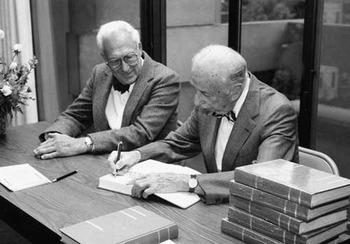
In 1984 a new challenge to the Norwood procedure burst on to the national stage during the annual meeting of the American Heart Association. The timing may have been a coincidence though perhaps not. The US and the world were riveted to the story of Baby Fae, a child with hypoplastic left heart syndrome who had received a heart transplant, not from another infant but from a baboon. Leonard Bailey, a tall, debonair surgeon (Fig 11) perhaps predictably from Los Angeles, handled the daily press conferences with masterful ease. But there were many in the medical community including the congenital cardiac community who expressed outrage both because of the ethical questions raised by using a live animal donor as well as the many questions about immune suppression of a xenograft transplant from another species. In fact, despite his showman persona, Len Bailey had spent many years carefully researching xenograft heart transplantation while working in Toronto before moving to LA and had the answers to most of the immunosuppression questions. But he was not prepared for the fury of the animal rights activists and never again performed an animal to human transplant. But he did begin a highly successful human to human transplant program which proved most of his background work to be correct. Because in spite of Baby Fae’s death about 3 weeks postoperatively, newborns and young infants proved to tolerate heart transplantation better than older children and adults, perhaps because their immature immune system allowed immunotolerance of the transplanted organ aided by the health of their other organ systems.
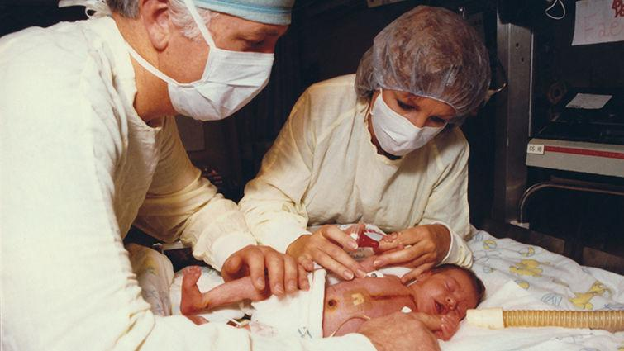
As his program grew Bailey began appearing at numerous national and international meetings and spoke eloquently and persuasively about the management of hypoplastic left heart syndrome through transplantation. He was ably assisted in his promotion of transplantation by his partner Stephen Gundry who today is regularly seen on social media promoting health supplements. In contrast to the slick slide shows with multiple photos of successful transplant recipients and smiling parents, Bill Norwood’s reluctant and reticent presentations contained only statistics and survival curves and the early numbers were not good.
Bill Norwood had found the move to Philadelphia to be challenging and his results that first year in 1984 were profoundly disappointing. It became very clear that successful complex neonatal surgery was truly a team event. While Boston Children’s had been developing expertise in managing young infants and neonates ever since Castaneda’s arrival in 1972, that was definitely not the case at CHOP which had remained rooted in the traditional approach of delaying surgery until later childhood established by Eoin Aberdeen, John Waldhausen and Hank Edmunds. Even more importantly the expertise of Peter Lang and Dolly Hansen would take time and patience to build in a new environment. Gradually Bill was able to achieve such a team including Susan Nicholson managing the anesthesia together with an amazing ICU team as well as cardiologists John Murphy and Alvin Chin. At an informal meeting of surgeons interested in the challenge of hypoplastic left heart syndrome in the spring of 1985, Norwood presented his results that showed almost no survivors in Philadelphia for the first 6 months of 1984. But there was a glimmer of hope with a handful of survivors during the latter half of 1984. Meanwhile the results from Boston where the author, who had been Norwood’s Chief resident in 1983, had taken over the Norwood program and was able to work with Lang and Hansen and experienced ICU nurses, now under the capable leadership of head nurse Patricia Hickey, achieved 75% early survival, unheard of for those days. And one other young surgeon presented excellent results and described a deep understanding of the challenging pathophysiology of hypoplastic left heart syndrome, Edward Bove from the University of Michigan. Bove and his mentee, James Tweddell would go on to build one of the most successful Norwood programs in the country. But the world was only watching Bill Norwood in the late 1980s and were comparing him and his results with the smiling faces of babies that Len Bailey and Steve Gundry were presenting relentlessly around the country and around the world. Cardiology conferences regularly staged debates between the Loma Linda team and the Norwood advocates from Boston and Philadelphia and later Michigan. Bailey would always have a family come on stage at the end of his presentation with their beautiful transplanted baby while the numbers presented by the Norwood advocates were disappointing though slowly, slowly improving. And although the audience vote at the end of every debate almost always favored the transplant approach, there was one argument that the Los Angeles team did not have an answer for and ultimately led to the triumph of the Norwood procedure: there simply was no way there would be enough infant donors for every baby with hypoplastic left heart syndrome, by far the commonest form of single ventricle.
Perhaps one important reason why Bill Norwood did not put a lot of thought or effort into “marketing” his eponymous operation for hypoplastic left heart syndrome in the mid-1980s was that he was facing another challenge, a much more difficult challenge and a self-imposed challenge. He was trying to convince the surgical and cardiology communities that they should take up a new, difficult and dangerous operation for transposition of the great arteries, the second most common cause of blue babies after tetralogy of Fallot. And the rationale for that change was nothing more than a theoretical long-term benefit that could not be proven for many years.
The history of surgery for transposition of the great arteries goes back to the early years of open heart surgery in the mid-1950s. On the surface the problem seems to be simple: the two great arteries, the aorta going to the body and the pulmonary artery going to the lungs are connected during fetal development to the wrong ventricle and need to be switched and reconnected to the correct ventricle. But the tiny coronary arteries arise very close to the aortic valve and must also be switched. Surgeons in the 1950s lacked the microvascular techniques and instruments that would be developed in the late 1960s and 1970s with the advent of coronary bypass surgery in adults. Furthermore there was a lack of appreciation that the left ventricle when connected to the low pressure lungs rather than the high pressure body was soon unprepared for an abrupt change in pressure work, in fact within weeks of birth. So there were multiple unsuccessful attempts to perform an “arterial switch” correction of transposition before Senning in Sweden came up with an ingenious solution: switch the inflow to the ventricles rather than the arterial outflow. But Senning was ahead of his time when he described his complex operation in 1959. It was not until William Mustard in Toronto described a simpler version of the atrial inflow inversion procedure in 1964 that widespread success was achieved. But it was still a technically demanding operation for some of the older school surgeons like Robert Gross in Boston who were used to delaying surgery until children were 5 to 10 years old by performing an initial palliative operation. In the case of transposition, this was not possible because of the development of vascular disease in the lungs within a year or two after birth. So the technical maestros like Barratt-Boyes and Castaneda who were familiar with infant surgery embraced the new operation and achieved great success, though no-one rivalled the success of George Trusler and Bill Williams in Toronto who had learned the operation from Bill Mustard himself. By the late 1970s and early 1980s the Toronto surgeons had achieved an early mortality risk as low as 2 or 3%, an amazing outcome for a lesion that was uniformly fatal in early childhood without surgery.
Why would anyone want to change to a new and dangerous operation when amazing success was being achieved with the Mustard operation in Toronto and at a few other centers by surgeons like Subramanian in Buffalo NY, Ebert in San Francisco, Pacifico in Alabama in addition to Castaneda in Boston and Barratt-Boyes in New Zealand? The answer to that question when Adib Jatene in Brazil performed the first successful arterial switch operation in 1975 was a theoretical one based on the speculation that over time, probably decades, it was likely that the right ventricle (which is structurally different from the left ventricle) working at high pressure when connected to the body instead of the usual low pressure it faces when connected to the lungs, would fail. Less of a theoretical concern was the function of the inflow valve to the right ventricle, the tricuspid valve working at high pressure, which had already been noted to fail early in patients who had a hole in the heart between the ventricles (VSD) in association with transposition. In fact, such patients had a much higher early mortality than the more common patients with no hole in the heart. And patients with transposition plus a VSD did not have the additional challenge of a weakened right ventricle after the first few weeks of life because the pressure in the right ventricle was maintained by blood able to pass through the septal defect. So there was no moral dilemma for the patient with transposition and a VSD and thus it was exactly that sort of patient who had the first Jatene operation. Good reasons could be given for attempting an arterial switch in such patients rather than a Mustard operation with VSD closure. But this was not the case for patients with transposition and no VSD. The Mustard operation for these latter patients carried a remarkably low risk in the right hands and in the 10-15 years it had been done, there was little evidence of right ventricular failure or tricuspid valve failure. But there was one surgeon who was prepared to challenge the dogma that the Mustard operation was the right operation for such patients. That surgeon was Bill Norwood.
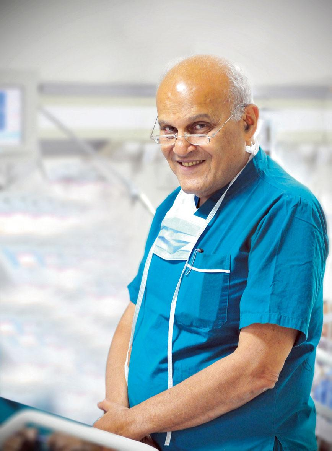
At Boston Children’s, the majority of babies with transposition were diagnosed with severe cyanosis within the first day or two of life. Their oxygen level could be improved to a survivable level by a Rashkind septostomy, i.e. tearing a hole with a balloon catheter between the two low pressure atrial chambers. At birth these babies had a strong left ventricle that had been exposed to the same pressure as the right ventricle throughout pregnancy, ever since the first heartbeat at about 6 or 7 weeks of gestation. Following birth and closure of the ductus, the pressure in the left ventricle soon fell to a much lower pressure than the right ventricle because of the lower resistance to blood flow in the lungs relative to the body. By about 4 weeks of age most babies could not undergo a primary one stage arterial switch because the left ventricle had become too weakened. One approach which had been championed by the brilliant Egyptian surgeon Magdi Yacoub (Fig 12) working in London was to “prepare” the left ventricle by placing a band around the pulmonary artery to raise the pressure in the left ventricle. After about a year Yacoub removed the band and performed the arterial switch. Many of Yacoub’s patients were referred to him from the Middle East and arrived after the one month deadline for a primary arterial switch operation so he had little choice about adopting a two stage approach. And performing an arterial switch in a one year old was a much more straightforward and low risk operation relative to a switch in a newborn. Norwood could have chosen to follow Yacoub’s approach but instead he adopted a much more controversial operation: one stage repair in the first month of life. In essence he was choosing to do an “elective” procedure in a newborn, something that had never been tried before. And he was doing this at a time when the alternative Mustard procedure could be done with a proven very low mortality risk. Nobody knew if it would be possible to move the tiny coronary arteries of a newborn without inducing the formation of occlusive blood clot. There were a thousand other unknowns. And the rationale for all this risk…..the theoretical advantage of having a left ventricle rather than a right ventricle pumping to the body.
In late 1982 Norwood attempted a variation of a total arterial switch on 2 newborn babies. The operation was a modification of the “Takeuchi” procedure that had been described in 1979 as a method for transferring one anomalous coronary artery from the pulmonary artery to the aorta without directly excising and reimplanting the tiny coronary. Norwood modified the Takeuchi by creating an opening between the aorta and the pulmonary artery and stitching an internal baffle around the two main coronary arteries and directly to the aortic valve which worked well in the first patient. It initially worked well in the second patient also and the child was discharged from hospital after just one week. However shortly after the child went home, the aortic valve tore and the child suffered a cardiac arrest. The parents, an Australian physician and nurse, were unaware of the unique nature of the operation and also unaware that there was a risk of sudden death. The child did not survive despite emergency resuscitation by the parents and subsequently at Boston Children’s.
Norwood was not deterred. In January 1983, the same week his report of successful surgery for hypoplastic left heart syndrome appeared in the New England Journal, he and Aldo Castaneda together performed the world’s first successful one stage neonatal arterial switch. It is true that Yacoub, Jatene and by this time others had demonstrated that the arterial switch could be done successfully in the older infant but trying this technically demanding procedure in a newborn with no VSD generated enormous controversy. But unlike the Norwood procedure for hypoplastic left heart syndrome, Norwood was not alone in facing the loud skepticism of his cardiology colleagues at Boston Children’s and criticism by surgeons and cardiologists in the outside world. Aldo Castaneda assisted Norwood in the first few procedures and they soon alternated who was primary surgeon. Castaneda authored the first report and became the public face of the procedure when he presented the first series in January 1984 at the Society of Thoracic Surgeons’ meeting in San Antonio Texas.
By January 1984 Norwood had left Boston and was setting up at Children’s Hospital of Philadelphia. Castaneda had immediately made it clear to the author that he himself was not going to be doing the Norwood procedure and that it would be up to the author, the only other surgeon at Boston Children’s for most of 1984 to manage the flood of cases that continued to arrive from many parts of the country. But Castaneda did personally manage the neonatal arterial switch program. There were many challenges learning how to deal with numerous variations in coronary anatomy in particular. At international meetings Castaneda challenged Yacoub’s insistence that all coronary patterns could be switched. It was certainly clear that certain coronary patterns carried a much higher risk. In fact the mortality in 1984 at Boston Children’s approached 40%, far, far higher than the mortality risk of the alternative Mustard or Senning procedures that could just as well have been undertaken in the same babies who were dying after an arterial switch. The stage was set for a surgical challenge and that challenge came from none other than one of the most respected names in cardiac surgery, Dr John Kirklin at UAB. This was the same cautious and methodical John Kirklin who had carefully labored with IBM for many years in developing the heart lung machine to minimize risk to the lowest possible level before ever it was tried on humans.
In order to conduct a scientifically valid study comparing the old and new operations, Dr Kirklin needed the help of many institutions, those who by the late 1980s had started doing the arterial switch as well as those sticking to the Senning or Mustard atrial switch. He turned to the CHSS, the Congenital Heart Surgeons Society, which until then had functioned essentially as a social club for pediatric heart surgeons in North America. They met once a year for one day at the Airport Hilton in Chicago and compared notes on difficult cases and new operations. Dr Kirklin had set up a comprehensive data center at UAB for the purpose of writing his grand textbook of cardiac surgery. He and Barratt-Boyes had published the first edition in 1986. It very soon became the bible for not only trainees but also established heart surgeons. Unlike many other text books of the time, it was not based on personal speculation and dogma but rested on a foundation of data, massive amounts of data about outcomes achieved using different approaches. All that was needed was to convince the members of the CHSS to agree to submit their outcomes to UAB and to trust that an objective analysis would be undertaken. Since Al Pacifico, Kirklin’s technically brilliant congenital surgeon was the Secretary of the CHSS and in view of the reverence with which John Kirklin was held by all heart surgeons, even the very senior ones, it was not a difficult sell. By 1985 data collection had begun. Also by 1985 numerous parents and cardiologists were beginning to hear about the important theoretical advantages of the arterial switch. Increasing numbers chose to fly to Boston Children’s, CHOP and one or two other early adopter centers. This accelerated the shift away from the large general hospitals where surgeons were less likely to be comfortable doing neonatal operations. But there were still only a relatively small number of centers who enrolled large numbers of patients having the new arterial switch during the time of the trial.
One of the most important decisions made by Dr Kirklin and the UAB data team was choosing the metric they would use to decide which operation was superior. Traditionally surgeons had measured the outcome of operations by survival after the procedure, usually for 30 days or until hospital discharge, whichever was later. But this would have biased the outcome against the arterial switch for an important reason, namely the age of the patients at the time of surgery. The arterial switch of course was done in the newborn period, during the same hospital admission as the baby’s first diagnosis of transposition. Thus very few babies if any died before their operation, even those that might be quite fragile because of prematurity or the presence of other anomalies like an absent diaphragm. On the other hand most centers delayed the Senning or Mustard until the child was at least 3-6 months of age. They could be quite blue during this time which sometimes led to the death of the more fragile babies, exactly the ones who would be at higher risk of death after the arterial switch. And indeed, when the results were analyzed, that was exactly what was shown. The traditional “procedural success” survival was higher with the Mustard or Senning but overall, the number of patients diagnosed with transposition who survived beyond their repair operation was higher with the arterial switch. So no longer did proponents of the operation need to invoke late theoretical advantages of having a left ventricle pumping to the body. There was actually an early advantage that in itself justified choosing the arterial switch. So now even the holdout centers who had stuck with the Senning or Mustard during the years of data collection for the CHSS study were forced to change. Because if they did not, either parents or cardiologists would send their patients to a center with proven success with the arterial switch. By the mid 90’s the transition was essentially complete and the old operations were rarely performed. Norwood and Castaneda had challenged the dogma and had been proven right. And by this time, the mid 90s, many more centers were beginning to do the Norwood procedure for hypoplastic left heart syndrome, even those who had preferred heart transplantation. Because by now it was very obvious that if more than one center like Len Bailey’s was transplanting newborns with hypoplastic left heart syndrome, there were simply not enough heart donors.
As the Norwood procedure and arterial switch were adopted by more and more surgeons, several centers were identified that achieved particularly good outcomes while others struggled to achieve acceptable results. These operations set the benchmark for congenital cardiac programs and there has been increasing pressure from parent groups, insurance companies and within the programs themselves to have outcome data freely available. Unfortunately current data centers like the gargantuan STS database failed to adopt the fundamental principle established by John Kirklin and the CHSS, namely that one should measure patient survival and not procedural success. The irony is that current day databases practically guarantee that there is no way a new operation like the Norwood or arterial switch could become established today.
Aldo Castaneda and Bill Norwood changed the field of cardiac surgery for congenital heart disease in many ways. Not only did they develop new operations for two of the most common anomalies, hypoplastic left heart syndrome and transposition of the great arteries, they also boldly challenged dogma that was fiercely supported by the surgical community. They showed persistence and courage in championing approaches that they believed were best for their young patients and families. And ultimately science, statistics and time proved them to be correct.